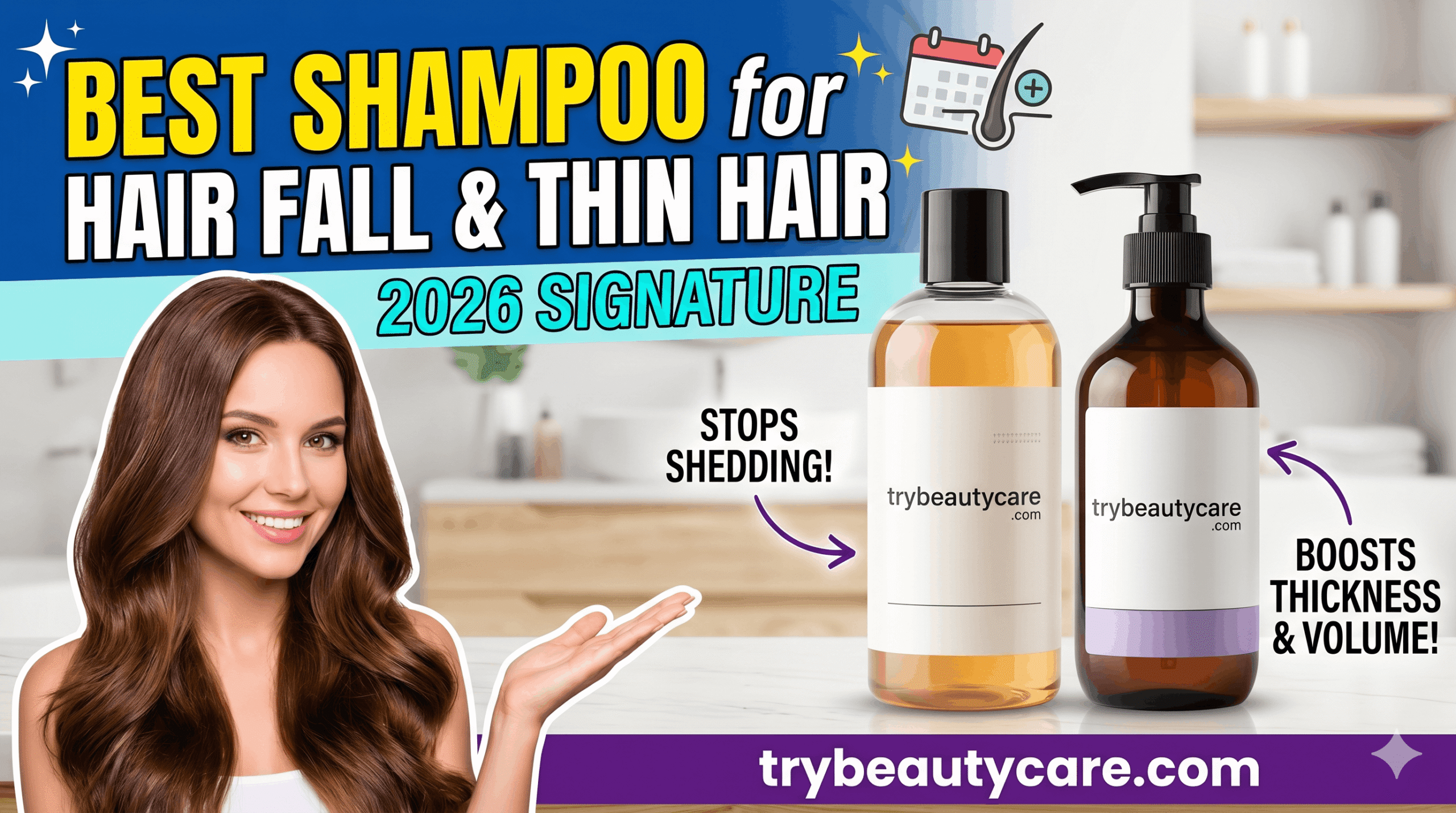
Best Shampoo for Hair Fall and Thin Hair 2026

Best Shampoo for Hair Fall and Thin Hair: Hair fall and thin hair are among the most common hair concerns affecting people of all ages. Seeing extra hair on a pillow, in a shower drain, or on a hairbrush can create stress and frustration. Thin hair may also reduce volume and make hair look weaker or less healthy.
Best Shampoo for Hair Fall & Thin Hair 2026

Many people begin searching for the shampoo for hair fall and thin hair because shampoo is one of the most frequently used haircare products. However, choosing a shampoo becomes difficult because there are hundreds of options available with different promises and ingredients.

Some shampoos focus on:

  • Strengthening hair strands
  • Supporting scalp health
  • Reducing breakage
  • Adding volume
  • Improving moisture balance

Hair health depends on multiple factors including scalp care, lifestyle habits, diet, stress, and haircare routines. A shampoo works best when used as part of a complete approach to hair care.

This guide explains:

  • Causes of hair fall and thin hair
  • How shampoos work
  • Important ingredients
  • Daily routines
  • Common mistakes
  • Haircare tips for healthier hair

Understanding Hair Fall and Thin Hair

Hair naturally goes through a growth cycle.

The hair cycle includes:

  1. Growth phase
  2. Resting phase
  3. Shedding phase

Losing some hair every day is normal. However, excessive hair fall or reduced hair density may become noticeable over time.

Common signs include:

  • Wider parting line
  • Hair thinning near temples
  • Reduced volume
  • Weak hair texture
  • Increased shedding

Common Causes of Hair Fall and Thin Hair

Genetics

Family history is one of the most common factors linked with hair thinning.

If parents or close relatives experienced thinning hair, genetics may influence hair changes.


Stress and Lifestyle

Stress can affect overall wellness and may influence hair growth cycles.

Long-term stress may contribute to:

  • Increased hair shedding
  • Poor sleep habits
  • Reduced hair quality

Nutritional Factors

Hair needs nutrients for normal growth and strength.

Important nutrients include:

  • Protein
  • Iron
  • Zinc
  • Vitamin D
  • Omega fatty acids

Heat Styling Damage

Frequent use of:

  • Blow dryers
  • Hair straighteners
  • Curling tools

may weaken hair strands over time.


Scalp Problems

Poor scalp condition can affect overall hair appearance.

Common scalp concerns:

  • Excess oil
  • Dryness
  • Product buildup
  • Dandruff

How Shampoo Helps Hair Fall and Thin Hair

A shampoo mainly works by cleaning the scalp and removing:

  • Dirt
  • Oil
  • Sweat
  • Product residue

Shampoos designed for thin hair may also help:

  • Improve volume appearance
  • Support hair softness
  • Reduce breakage
  • Maintain scalp balance
nourishing scalp and hair care products for weak and thinning hair
Best Shampoo for Hair Fall & Thin Hair 2026

Best Ingredients in Shampoo for Hair Fall and Thin Hair

Biotin

Biotin is commonly included in haircare products because it supports stronger-looking hair.


Keratin

Keratin helps improve hair texture and may reduce breakage.


Caffeine

Some shampoos include caffeine ingredients to support scalp-focused routines.


Rosemary Extract

Rosemary has become popular in modern haircare routines and scalp care products.


Argan Oil

Argan oil helps improve moisture and softness.


Niacinamide

Niacinamide is increasingly used in scalp care formulas.


Choosing the Best Shampoo for Hair Type

Different hair types have different needs.

Shampoo for Oily Hair

Look for:

  • Lightweight formulas
  • Gentle cleansing ingredients

Shampoo for Dry Hair

Choose:

  • Moisturizing ingredients
  • Hydrating formulas

Shampoo for Sensitive Scalp

Choose:

  • Mild products
  • Minimal fragrance formulas

Hair Washing Routine for Thin Hair

Proper washing habits can support better hair appearance.

Step-by-Step Hair Routine

  1. Wet hair thoroughly
  2. Use a moderate amount of shampoo
  3. Massage gently with fingertips
  4. Avoid aggressive scrubbing
  5. Rinse completely
  6. Apply conditioner to hair lengths

Scalp Care for Hair Fall and Thin Hair

Healthy hair often starts with healthy scalp care.

Helpful scalp habits:

  • Keep scalp clean
  • Avoid heavy buildup
  • Massage gently
  • Maintain hydration

Best Daily Habits for Healthier Hair

Simple habits may support stronger-looking hair.

Helpful habits include:

  • Drink enough water
  • Eat balanced meals
  • Sleep regularly
  • Reduce stress
  • Protect hair from excessive heat

Foods That Support Hair Health

Hair health may benefit from balanced nutrition.

Examples include:

  • Eggs
  • Fish
  • Nuts
  • Leafy vegetables
  • Fruits
  • Beans

Common Haircare Mistakes

Avoid these habits:

  • Using very hot water
  • Overwashing hair
  • Tight hairstyles
  • Excessive heat styling
  • Rough towel drying

Hairstyles for Thin Hair

Some hairstyles can improve volume appearance.

Popular options include:

  • Layered cuts
  • Textured hairstyles
  • Short volume styles
  • Side-part hairstyles
healthy thicker-looking hair after anti-breakage hair treatment
Best Shampoo for Hair Fall & Thin Hair 2026

Natural Hair Care Ideas

Some people include natural routines in haircare habits.

Examples:

  • Scalp massage
  • Coconut oil treatments
  • Aloe vera use
  • Gentle hair masks

Frequently Asked Questions

Can shampoo stop hair fall completely?

Shampoo may support scalp health and reduce breakage, but results depend on the cause of hair fall.


How often should thin hair be washed?

Frequency depends on scalp type, but many people wash hair around two to three times per week.


Which ingredients are useful for thin hair?

Common ingredients include:

  • Biotin
  • Keratin
  • Rosemary extract
  • Argan oil

Can thin hair look thicker?

Hair styling methods and volume-support products may improve appearance.

How Hair Growth Works

Understanding hair growth helps explain why hair fall and thin hair happen. Hair does not grow continuously at the same speed forever. Each hair strand follows a natural cycle.

Hair growth usually includes three stages:

Growth Phase (Anagen)
This is the active growth period where hair continues growing from the root. This stage can last for several years.

Transition Phase (Catagen)
Hair growth slows and the hair follicle begins preparing for the next stage.

Resting Phase (Telogen)
Older hair eventually sheds and new hair begins replacing it.

When this cycle becomes disturbed because of stress, poor scalp health, nutritional issues, or lifestyle factors, excessive hair shedding may happen.


Why Thin Hair Needs Special Care

Thin hair is usually more delicate than thick hair. It can become flat quickly and may break more easily if treated roughly.

People with thin hair often experience:

  • Reduced volume
  • Hair tangling easily
  • Weak strands
  • Flat-looking hairstyles
  • Increased breakage

Thin hair usually benefits from lightweight products that avoid making hair heavy.


Morning Hair Routine for Thin Hair

A simple morning routine can help hair appear healthier and fuller.

Daily Morning Routine

Step 1: Comb gently using a wide-tooth comb

Step 2: Apply lightweight hair serum if needed

Step 3: Avoid excessive heat styling

Step 4: Protect hair from sun exposure and pollution

Step 5: Keep hairstyles comfortable instead of very tight

Small daily habits often help maintain healthier-looking hair.


Night Hair Routine for Hair Fall Control

Night habits can also influence hair health.

Evening Hair Care Tips

  • Brush hair gently before sleeping
  • Avoid sleeping with wet hair
  • Use comfortable hairstyles
  • Keep scalp clean
  • Sleep on smooth pillow covers if comfortable

Hair friction during sleep may sometimes increase breakage.


Seasonal Hair Care for Thin Hair

Haircare needs can change depending on weather conditions.

Summer Hair Care

Hot weather may increase:

  • Sweat buildup
  • Oil production
  • Scalp discomfort

Helpful summer habits:

  • Wash hair according to scalp needs
  • Stay hydrated
  • Use lightweight products
woman washing fine hair with strengthening scalp care routine
Best Shampoo for Hair Fall & Thin Hair 2026

Winter Hair Care

Cold weather can increase:

  • Dryness
  • Static hair
  • Scalp irritation

Helpful winter habits:

  • Use hydrating conditioners
  • Avoid extremely hot water
  • Add moisture-focused products

Signs That Your Shampoo May Not Be Right

Sometimes a shampoo may not suit your hair type.

Possible signs include:

  • Hair feels excessively dry
  • Increased hair breakage
  • Scalp irritation
  • Excess oil production
  • Hair feeling heavy

Switching products based on hair needs may improve comfort and appearance.


Building a Complete Hair Health Routine

Instead of depending on one product, create a balanced hair routine:

Weekly Hair Plan

Monday:

  • Gentle shampoo and conditioner

Wednesday:

  • Scalp massage

Friday:

  • Hair wash and hydration routine

Weekend:

  • Hair mask or scalp care session

Consistency often creates better results than using many products at once.

Frequently Asked Questions (FAQs)

Which shampoo is best for hair fall and thin?

The best shampoo for hair fall and thin hair usually depends on your scalp type and hair condition. Many people look for shampoos with ingredients such as biotin, keratin, caffeine, rosemary extract, and nourishing oils.

Can shampoo stop hair fall completely?

Shampoo alone cannot completely stop hair fall because hair health is influenced by genetics, nutrition, stress, hormones, and scalp condition. Shampoo mainly helps maintain a healthy scalp and reduce breakage.

How many times should I wash thin hair?

Hair washing frequency depends on scalp type:

  • Oily scalp: 3–4 times weekly
  • Normal scalp: 2–3 times weekly
  • Dry scalp: 1–2 times weekly

Avoid excessive washing because it may remove natural oils.

Does thin hair mean permanent hair loss?

Not always. Thin hair can happen because of temporary reasons like stress, poor diet, lifestyle changes, or hair damage. Identifying the cause early may help improve hair appearance.

Which ingredients should I avoid in shampoo?

Some people prefer avoiding:

  • Excessively harsh cleansing ingredients
  • Strong fragrances
  • Heavy formulas that weigh hair down
  • Ingredients that cause scalp irritation for them

Hair sensitivity varies from person to person.

Can stress cause hair fall?

Yes, stress may affect hair growth cycles and increase shedding in some individuals. Sleep quality and stress management can also influence overall hair health.

Does oiling help thin hair?

Hair oils are commonly used in haircare routines because they may help improve moisture and reduce dryness. However, oil alone is not a complete solution for hair fall.

How long does it take to notice improvement?

Hair changes usually happen gradually. Hair growth and strength improvements often require consistency and patience over several weeks or months.


Conclusion

Finding the best shampoo for hair fall and thin hair involves understanding hair needs rather than choosing products only because of marketing claims.

Focus on:

  • Healthy scalp care
  • Gentle hair routines
  • Good ingredients
  • Balanced lifestyle habits
  • Consistent care

Healthy hair is often built through daily habits and long-term consistency rather than quick solutions.

best shampoo for hair fall and thin hair with healthy scalp care products
Best Shampoo for Hair Fall & Thin Hair 2026

Leave a Comment