

Introduction
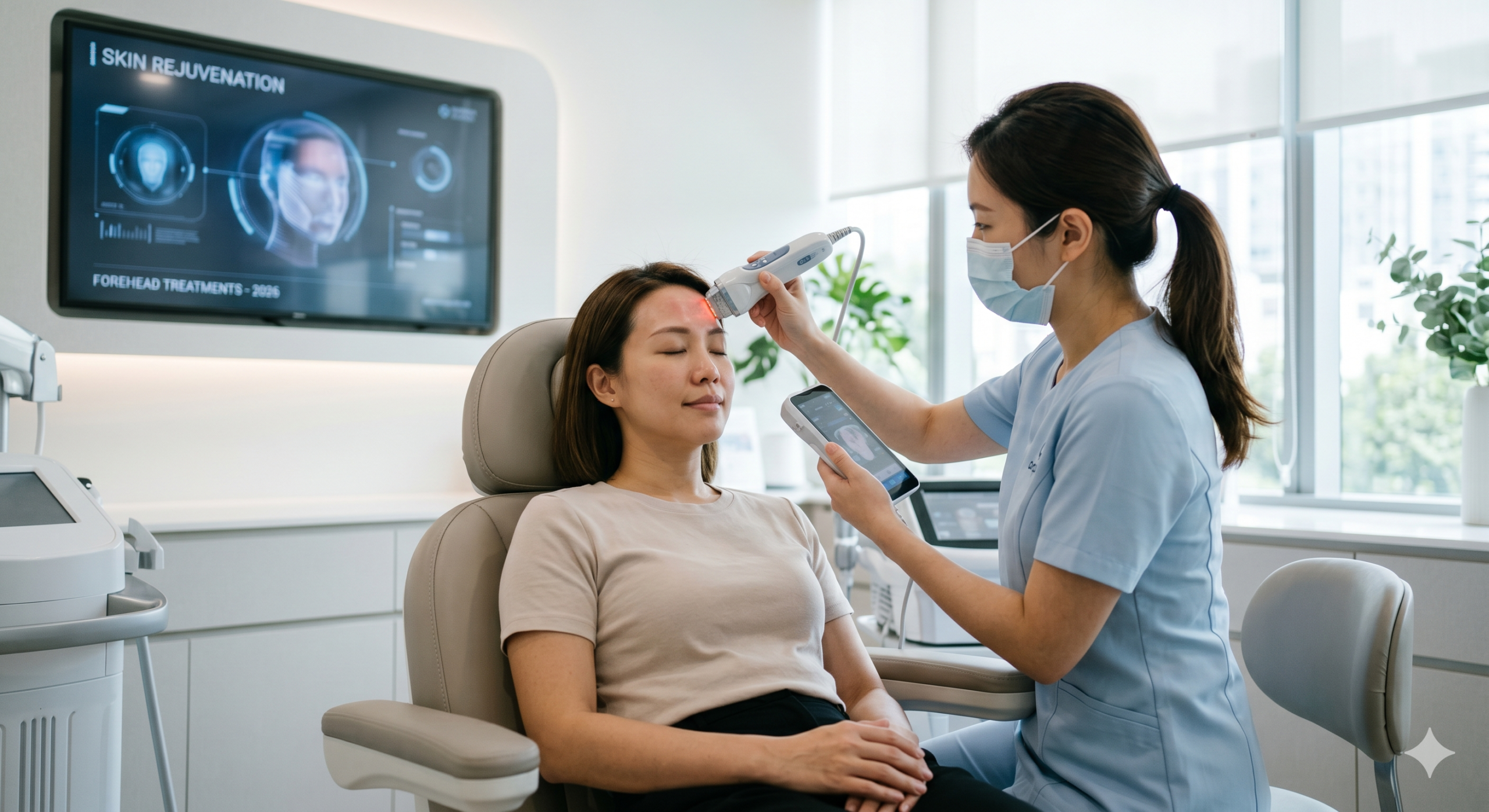
Forehead wrinkles are often the first sign of aging that we notice when looking in the mirror. Whether they are deep furrows or fine lines, they can affect your confidence. In 2026, beauty science has advanced significantly, offering more choices than ever before. If you are wondering how to get rid of forehead wrinkles, you are in the right place. This guide covers everything from professional “beauty parlour near me” services to natural lifestyle changes.
Chapter 1: Understanding the Cause of Forehead Wrinkles
Forehead wrinkles are one of the most common and noticeable signs of skin aging. They often begin as small expression lines and gradually become deeper over time. While wrinkles are a natural part of aging, several internal and external factors can speed up their appearance.
Understanding what causes forehead wrinkles is important because it helps you choose the right skincare routine, treatments, and prevention methods.
Natural Aging and Collagen Loss
One of the biggest causes of forehead wrinkles is the natural aging process.
As the skin ages, the body produces less collagen and elastin. These two proteins are responsible for keeping the skin firm, smooth, and flexible.
Collagen provides structure and strength to the skin, while elastin allows the skin to stretch and return to its original shape after facial movements.
After the mid-20s, collagen production slowly decreases every year. As a result, the skin becomes:
- Thinner
- Less elastic
- Drier
- More prone to fine lines and wrinkles
This gradual loss of skin support makes forehead lines more visible over time.
Repetitive Facial Expressions
Daily facial movements play a major role in forehead wrinkle formation.
Common expressions that contribute to wrinkles include:
- Raising the eyebrows
- Frowning
- Squinting
- Looking surprised
- Stress-related forehead tension
Every time these muscles move, the skin folds slightly. Over many years, repeated folding creates permanent lines in the forehead area.
People who use stronger facial expressions may notice wrinkles developing earlier.
Sun Damage and UV Exposure
Excessive sun exposure is one of the leading causes of premature aging.
Ultraviolet (UV) rays damage collagen and elastin fibers deep within the skin. This process weakens the skin’s structure and accelerates wrinkle formation.
Sun damage may also cause:
- Fine lines
- Rough texture
- Dark spots
- Uneven skin tone
- Loss of firmness
Even short periods of daily sun exposure can slowly contribute to forehead wrinkles over time.
This is why sunscreen is considered one of the most important anti-aging skincare products.
Dehydration and Dry Skin
Dry skin often makes forehead wrinkles appear deeper and more noticeable.
When the skin lacks moisture:
- Fine lines become more visible
- Skin texture becomes rough
- The forehead may feel tight or flaky
Hydrated skin tends to appear:
- Smoother
- Softer
- Plumper
- More youthful
Using moisturizers and hydrating skincare ingredients can help improve the appearance of forehead lines.
Stress and Lifestyle Habits
Modern lifestyles can also accelerate skin aging.
Stress often increases forehead tension and repetitive facial expressions, especially during work or screen use.
Other lifestyle habits linked to forehead wrinkles include:
- Smoking
- Poor sleep
- Excess alcohol consumption
- Unhealthy diet
- Lack of hydration
- High stress levels
These factors may reduce the skin’s ability to repair itself properly.
Digital Aging and Screen Time
In 2026, excessive screen use has become a growing contributor to forehead wrinkles.
People spend long hours looking at smartphones, tablets, and computers, which may lead to:
- Squinting
- Forehead tension
- Eye strain
- Repetitive muscle movement
This is often referred to as “digital aging” or “tech-face.”
Over time, constant facial tension from screen use may contribute to visible forehead lines.
Poor Nutrition and Lack of Sleep
Healthy skin depends heavily on good nutrition and proper rest.
Nutrients such as:
- Vitamin C
- Vitamin E
- Omega-3 fatty acids
- Antioxidants
- Protein
help support collagen production and overall skin health.
Poor sleep may also accelerate aging because the skin repairs and renews itself during nighttime rest.
Lack of sleep may lead to:
- Dull skin
- Increased fine lines
- Reduced skin recovery
- Tired appearance
Genetics and Skin Type
Genetics also influence how quickly wrinkles develop.
Some people naturally have:
- Stronger collagen levels
- Thicker skin
- Better elasticity
- Slower visible aging
Skin type can also affect wrinkle visibility.
For example:
- Dry skin may show wrinkles earlier
- Oily skin sometimes appears fuller and smoother longer
However, all skin types eventually experience collagen loss with age.
Early Signs of Forehead Wrinkles
Common early signs include:
- Fine horizontal lines
- Makeup settling into lines
- Forehead creasing during expressions
- Dry or rough forehead texture
- Lines remaining visible after facial movement
Recognizing these signs early allows for better prevention and treatment.
Why Understanding the Causes Matters
Understanding the causes of forehead wrinkles helps you make better skincare and lifestyle choices.
Different causes may require different solutions.
For example:
| Cause | Possible Solution |
|---|---|
| Collagen loss | Retinol, peptides, micro-needling |
| Sun damage | Sunscreen, antioxidants |
| Dryness | Hyaluronic acid, moisturizers |
| Muscle movement | Botox, facial relaxation |
| Lifestyle habits | Better sleep, hydration, healthy diet |
Chapter 2: Professional Salon Treatments
When home remedies aren’t enough, visiting a professional beauty salon is your best option. Here are the top treatments trending in 2026:
1. Advanced Facials and Peels
Chemical peels use specialized acids to remove the top layer of dead skin, revealing smoother skin underneath. In a professional “beauty parlour near me”, you can find:
-
Glycolic Acid Peels: Best for fine lines.
-
TCA Peels: For deeper forehead wrinkles.
2. Micro-needling (The Collagen Booster)
This involves using tiny needles to create micro-injuries in the skin, which triggers the body’s natural healing process and boosts collagen production.
3. Laser Resurfacing
High-tech lasers target the deeper layers of the skin. This is a highly effective way to get rid of forehead wrinkles permanently (with maintenance).
Chapter 3: At-Home Skincare Routine
A consistent at-home skincare routine is one of the most effective ways to reduce forehead wrinkles and maintain healthy-looking skin. While professional treatments can provide faster results, daily skincare habits play a major role in long-term wrinkle prevention and skin repair.
In 2026, skincare experts continue to emphasize that consistency matters more than using too many products. The goal is to protect the skin barrier, improve hydration, support collagen production, and reduce damage caused by aging and environmental stress.
A well-balanced skincare routine can help:
- Reduce fine lines and forehead wrinkles
- Improve skin texture
- Increase hydration
- Support collagen production
- Prevent premature aging
- Protect against sun damage
Step 1: Double Cleansing
Cleansing is the foundation of every skincare routine.
Throughout the day, the skin collects:
- Dirt
- Oil
- Sweat
- Makeup
- Sunscreen
- Environmental pollutants
If these impurities remain on the skin, they may contribute to clogged pores, dullness, and faster skin aging.
Oil-Based Cleanser
The first cleanse usually involves an oil-based cleanser.
Oil cleansers help dissolve:
- Makeup
- Sunscreen
- Excess oil
- Waterproof products
They remove buildup gently without stripping the skin barrier.
Water-Based Cleanser
The second cleanse uses a gentle foaming or cream cleanser to remove leftover residue and deeply clean the skin.
Choose cleansers that are:
- Fragrance-free
- Non-stripping
- Hydrating
- Suitable for sensitive skin
Avoid harsh cleansers because overly dry skin can make forehead wrinkles appear deeper.
Step 2: Use a Hydrating Toner or Essence
After cleansing, many people apply a hydrating toner or essence to prepare the skin for serums and moisturizers.
Hydrating toners may help:
- Restore moisture balance
- Calm irritation
- Improve product absorption
- Reduce tightness
Helpful ingredients include:
- Glycerin
- Hyaluronic acid
- Aloe vera
- Panthenol
Alcohol-heavy toners should generally be avoided because they may increase dryness.
Step 3: Apply a Retinol or Retinoid Product
Retinol remains one of the most effective anti-aging ingredients for forehead wrinkles.
Retinol works by:
- Increasing skin cell turnover
- Stimulating collagen production
- Improving skin texture
- Softening fine lines
- Supporting smoother skin
Beginners should start slowly because retinol may initially cause:
- Dryness
- Peeling
- Mild irritation
How to Use Retinol Safely
- Start 1–2 times weekly
- Apply only a pea-sized amount
- Use at night
- Avoid combining with harsh exfoliants
- Always use sunscreen during the day
Many people use the “retinol sandwich method” to reduce irritation.
This involves:
- Applying moisturizer
- Applying retinol
- Applying another moisturizer layer
Step 4: Vitamin C Serum for Brightening and Protection
Vitamin C is one of the most popular morning skincare ingredients.
Vitamin C helps:
- Protect against free radical damage
- Brighten skin tone
- Improve dullness
- Support collagen production
- Reduce signs of sun damage
Regular use may help improve overall skin appearance and reduce early forehead lines caused by environmental stress.
For best results:
- Apply in the morning
- Use before moisturizer
- Pair with sunscreen
Step 5: Hyaluronic Acid for Hydration
Hydration is extremely important for reducing the appearance of forehead wrinkles.
Hyaluronic acid is a powerful humectant that attracts water into the skin.
Benefits include:
- Plumper-looking skin
- Softer texture
- Reduced dryness
- Improved skin smoothness
- Temporary reduction in fine line visibility
Well-hydrated skin usually appears healthier and more youthful.
Step 6: Moisturizer for Barrier Support
Moisturizers help lock in hydration and protect the skin barrier.
A healthy skin barrier helps:
- Prevent moisture loss
- Reduce irritation
- Protect against environmental damage
- Improve overall skin comfort
Ingredients commonly recommended for anti-aging moisturizers include:
- Ceramides
- Niacinamide
- Peptides
- Squalane
- Glycerin
- Shea butter
Choosing a Moisturizer by Skin Type
Dry Skin
Look for:
- Rich creams
- Ceramides
- Shea butter
- Squalane
Oily Skin
Look for:
- Lightweight gels
- Oil-free moisturizers
- Non-comedogenic products
Sensitive Skin
Look for:
- Fragrance-free formulas
- Barrier-support ingredients
- Minimal ingredient lists
Step 7: Daily Sunscreen Protection
Sunscreen is one of the most important products in any anti-aging routine.
UV exposure is one of the leading causes of forehead wrinkles and collagen breakdown.
Without sunscreen, skincare products like retinol may not provide their full benefits because ongoing sun damage continues to affect the skin.
Daily sunscreen helps protect against:
- Premature wrinkles
- Dark spots
- Collagen damage
- Sunburn
- Uneven skin tone
Recommended Sunscreen Tips
- Use SPF 30 or higher
- Choose broad-spectrum protection
- Reapply during prolonged sun exposure
- Apply every morning, even indoors
In 2026, many sunscreens also include:
- Blue-light protection
- Antioxidants
- Hydrating ingredients
Weekly Skincare Treatments
In addition to daily routines, weekly treatments may improve forehead texture and hydration.
Gentle Exfoliation
Exfoliation removes dead skin cells and improves skin smoothness.
Use mild exfoliants carefully to avoid irritation.
Popular options include:
- Lactic acid
- Mandelic acid
- Enzyme exfoliants
Over-exfoliating may worsen dryness and sensitivity.
Hydrating Masks
Hydrating face masks may temporarily improve:
- Skin softness
- Hydration
- Fine line appearance
Helpful ingredients include:
- Aloe vera
- Honey
- Hyaluronic acid
- Centella Asiatica
Common Skincare Mistakes That Worsen Forehead Wrinkles
Many people accidentally damage their skin barrier through improper skincare habits.
Common mistakes include:
- Using too many active ingredients
- Skipping moisturizer
- Over-exfoliating
- Using harsh scrubs
- Ignoring sunscreen
- Applying excessive retinol
- Frequently changing products
A simple and consistent routine often produces better long-term results than overly aggressive skincare.
Morning vs. Night Skincare Routine
Morning Routine
Focus on:
- Protection
- Hydration
- Antioxidants
- Sunscreen
Night Routine
Focus on:
- Repair
- Retinol use
- Moisture restoration
- Skin recovery
Both routines work together to improve overall skin health and reduce forehead wrinkles over time.
How Long Does It Take to See Results?
Results vary depending on:
- Skin type
- Age
- Product consistency
- Wrinkle depth
- Lifestyle habits
Typical timelines may include:
| Treatment | Approximate Timeline |
|---|---|
| Hydration improvements | 1–2 weeks |
| Retinol texture improvement | 6–12 weeks |
| Brighter skin tone | 4–6 weeks |
| Fine line reduction | Several months |
Consistency is one of the most important factors for long-term success.
Chapter 4: Natural Remedies and Face Yoga
Natural remedies and face yoga have become increasingly popular among people looking for gentle and affordable ways to reduce forehead wrinkles. While these methods may not deliver instant results like Botox or laser treatments, they can help improve skin hydration, softness, circulation, and overall skin appearance when used consistently.
In 2026, many people are choosing holistic skincare approaches that focus on long-term skin health rather than aggressive treatments alone. Combining natural ingredients with facial exercises and healthy lifestyle habits may help reduce the appearance of fine lines and support smoother-looking skin over time.
Can Natural Remedies Help Reduce Forehead Wrinkles?
Natural remedies mainly help by improving:
- Skin hydration
- Skin barrier health
- Blood circulation
- Temporary skin plumping
- Facial muscle relaxation
Fine lines often appear more noticeable when the skin is dry or stressed. Natural treatments may help soften the appearance of these lines by keeping the skin moisturized and healthy.
Although natural remedies cannot completely remove deep wrinkles permanently, they may support healthier and younger-looking skin when combined with proper skincare and sun protection.
Coconut Oil Massage for Forehead Wrinkles
Coconut oil remains one of the most commonly used natural skincare ingredients because of its moisturizing and antioxidant properties.
It contains:
- Fatty acids
- Vitamin E
- Antioxidants
- Skin-softening compounds
Benefits of Coconut Oil
- Helps reduce dryness
- Improves skin softness
- Supports moisture retention
- Strengthens the skin barrier
- Creates a smoother skin appearance
How to Use Coconut Oil
- Cleanse your face gently.
- Take a small amount of virgin coconut oil.
- Massage it into the forehead using upward circular motions.
- Leave it overnight or rinse after 20 minutes.
People with oily or acne-prone skin should use it carefully because coconut oil may clog pores for some individuals.
Aloe Vera Gel for Soothing and Hydration
Aloe vera is known for its calming and hydrating effects on the skin.
It contains:
- Vitamins
- Antioxidants
- Amino acids
- Water-binding compounds
Benefits of Aloe Vera
- Soothes irritated skin
- Provides lightweight hydration
- Reduces dryness
- Helps calm redness
- Supports skin repair
Aloe Vera and Vitamin E Mask
You can create a simple forehead mask by mixing:
- Fresh aloe vera gel
- A few drops of vitamin E oil
Apply the mixture for 15–20 minutes before rinsing with lukewarm water.
This mask may help improve skin softness and hydration.
Honey for Moisture and Skin Softness
Honey is a natural humectant, meaning it helps attract moisture into the skin.
Benefits of Honey
- Helps keep the skin hydrated
- Softens rough texture
- Supports smoother-looking skin
- Provides antioxidant protection
Simple Honey Treatment
- Apply a thin layer of raw honey to the forehead.
- Leave for 10–15 minutes.
- Rinse gently with warm water.
Regular use may help improve skin texture and glow.
Avocado Face Mask for Dry and Aging Skin
Avocados are rich in healthy fats, antioxidants, and vitamin E, making them useful for dry or mature skin.
Benefits of Avocado Masks
- Deep hydration
- Improved skin softness
- Better moisture balance
- Temporary plumping effect
DIY Avocado Mask
Mix:
- Half mashed avocado
- One tablespoon honey
Apply to the forehead for 15–20 minutes before rinsing.
This mask may help soften dry skin and reduce the appearance of fine lines.
Egg White Tightening Mask
Egg whites are often used in DIY beauty treatments because they create a temporary tightening effect on the skin.
Benefits Include
- Firmer-looking skin
- Temporary lifting effect
- Smoother skin texture
How to Use
- Whisk one egg white.
- Apply a thin layer to the forehead.
- Allow it to dry completely.
- Rinse with lukewarm water.
While the results are temporary, the skin may appear smoother immediately after use.
Green Tea for Antioxidant Protection
Green tea contains powerful antioxidants called polyphenols that help protect the skin from environmental stress.
Benefits of Green Tea
- Reduces inflammation
- Supports healthier-looking skin
- Provides antioxidant protection
- Helps calm irritation
Cooled green tea bags may also help soothe tired or stressed skin.
Face Yoga for Forehead Wrinkles
Face yoga has become increasingly popular in modern beauty care routines. It involves facial exercises designed to relax muscles, improve circulation, and reduce tension in the forehead area.
Many people use face yoga to:
- Reduce facial tension
- Improve muscle awareness
- Support skin firmness
- Encourage relaxation
Although scientific evidence is still limited, some individuals report improvements in skin tightness and facial appearance with consistent practice.
How Face Yoga Works
Forehead wrinkles often develop due to repeated muscle movement and tension.
Face yoga exercises focus on:
- Relaxing overactive muscles
- Improving circulation
- Encouraging smoother facial movement
- Reducing repetitive forehead tension
These exercises may help reduce the appearance of expression lines over time.
Smooth the Brow Exercise
This is one of the most common exercises for forehead wrinkles.
Steps
- Place both hands across the forehead.
- Gently pull the skin outward.
- Slowly raise the eyebrows.
- Hold for several seconds.
- Relax and repeat multiple times.
Potential Benefits
- Reduced forehead tension
- Better muscle control
- Relaxation of expression habits
Eyebrow Lift Exercise
Steps
- Place fingers beneath the eyebrows.
- Push upward gently.
- Try lowering the eyebrows against resistance.
- Hold briefly and repeat.
This exercise may help improve forehead muscle awareness and circulation.
Temple Massage for Facial Relaxation
Stress often causes tension in the forehead and temple area.
Gentle temple massage may help:
- Reduce facial tension
- Improve relaxation
- Support circulation
- Relieve stress
Use circular motions for a few minutes daily.
Healthy Habits That Support Natural Anti-Aging
Natural wrinkle reduction also depends on healthy daily habits.
Stay Hydrated
Water helps support skin hydration and overall skin health.
Sleep Properly
Quality sleep allows the skin to repair and recover naturally.
Eat Nutrient-Rich Foods
Healthy foods rich in antioxidants and healthy fats help support collagen production.
Examples include:
- Berries
- Green vegetables
- Nuts
- Salmon
- Avocados
Reduce Stress
Chronic stress may increase forehead tension and repetitive facial expressions.
Avoid Smoking
Smoking accelerates collagen breakdown and premature skin aging.
Common Myths About Natural Wrinkle Remedies
Myth 1: Natural Remedies Remove Deep Wrinkles Permanently
Natural remedies may improve hydration and softness but usually cannot completely erase deep wrinkles.
Myth 2: Face Yoga Produces Instant Results
Face yoga requires regular and consistent practice over time.
Myth 3: More DIY Ingredients Always Work Better
Using too many harsh ingredients may irritate the skin and damage the skin barrier.
Simple routines are often more effective.
Chapter 5: Lifestyle Changes for Timeless Beauty
Healthy, youthful-looking skin is not only created through skincare products and beauty treatments. Daily lifestyle habits play a major role in how the skin ages over time. Even the best anti-aging creams may produce limited results if unhealthy habits continue to damage the skin from within.
In 2026, skincare experts continue to emphasize the importance of “beauty from within.” Factors such as sleep, hydration, stress management, nutrition, and overall wellness strongly influence skin texture, elasticity, hydration, and wrinkle formation.
Making small but consistent lifestyle improvements may help:
- Slow premature aging
- Support collagen production
- Improve skin hydration
- Reduce forehead wrinkles
- Promote healthier-looking skin
Stay Hydrated Throughout the Day
Hydration is one of the most important factors for healthy skin.
When the body lacks water, the skin may appear:
- Dry
- Tight
- Dull
- Less plump
Dehydrated skin often makes forehead wrinkles and fine lines look more visible.
Drinking enough water helps support:
- Skin moisture balance
- Skin elasticity
- Natural detoxification
- Overall skin function
Many experts recommend drinking approximately:
- 2 to 3 liters of water daily
Water-rich foods may also help improve hydration levels.
Examples include:
- Cucumbers
- Watermelon
- Oranges
- Strawberries
- Lettuce
Proper hydration supports smoother and healthier-looking skin over time.
Prioritize Quality Sleep
Sleep plays a major role in skin repair and recovery.
During sleep, the body naturally supports:
- Collagen production
- Cellular repair
- Skin renewal
- Moisture balance
Poor sleep habits may contribute to:
- Fine lines
- Dull skin
- Increased stress hormones
- Reduced skin recovery
- Puffiness and tired appearance
Tips for Better Skin-Friendly Sleep
- Aim for 7–9 hours of sleep
- Maintain a consistent sleep schedule
- Avoid excessive screen time before bed
- Use clean pillowcases regularly
Many people also choose silk pillowcases because they create less friction on the skin compared to cotton.
Eat a Skin-Healthy Diet
Nutrition directly affects skin health and aging.
A balanced diet rich in vitamins, antioxidants, healthy fats, and protein may help support collagen production and skin elasticity.
Foods That Support Healthy Skin
Antioxidant-Rich Fruits and Vegetables
Antioxidants help protect the skin from oxidative stress caused by:
- Pollution
- UV exposure
- Environmental damage
Examples include:
- Blueberries
- Spinach
- Tomatoes
- Carrots
- Citrus fruits
Healthy Fats and Omega-3 Fatty Acids
Omega-3 fatty acids help support the skin barrier and hydration.
Sources include:
- Salmon
- Walnuts
- Chia seeds
- Flaxseeds
- Avocados
Healthy fats may help improve:
- Skin softness
- Moisture retention
- Elasticity
Protein for Collagen Support
Protein provides amino acids needed for collagen production.
Good protein sources include:
- Eggs
- Fish
- Chicken
- Lentils
- Greek yogurt
- Nuts
Reduce Sugar and Processed Foods
Excess sugar may contribute to skin aging through a process called glycation.
Glycation damages collagen and elastin fibers, making the skin less firm and more prone to wrinkles.
Highly processed foods may also increase:
- Inflammation
- Skin dullness
- Premature aging
Reducing excessive sugar intake may help support healthier skin over time.
Manage Stress Levels
Chronic stress affects both mental and physical health, including the skin.
Stress may increase:
- Forehead tension
- Frowning
- Inflammation
- Poor sleep quality
These factors may contribute to visible forehead wrinkles and accelerated aging.
Stress-Reducing Activities
Helpful practices may include:
- Meditation
- Deep breathing exercises
- Yoga
- Walking
- Listening to music
- Spending time outdoors
Relaxation may help reduce repetitive facial tension that contributes to forehead lines.
Protect the Skin From Sun Damage
Sun exposure remains one of the biggest causes of premature aging.
UV rays break down collagen and elastin, leading to:
- Wrinkles
- Fine lines
- Pigmentation
- Loss of firmness
Daily Sun Protection Tips
- Wear sunscreen every day
- Use SPF 30 or higher
- Reapply sunscreen outdoors
- Wear sunglasses and hats
- Avoid excessive midday sun exposure
Consistent sun protection is one of the most effective long-term anti-aging habits.
Avoid Smoking and Excess Alcohol
Smoking significantly accelerates skin aging.
Smoking reduces blood flow and damages collagen and elastin fibers.
This may cause:
- Premature wrinkles
- Dull complexion
- Dry skin
- Slower skin repair
Excess alcohol consumption may also contribute to:
- Dehydration
- Puffiness
- Inflammation
- Skin dryness
Reducing or avoiding these habits may help maintain healthier-looking skin.
Exercise Regularly
Regular physical activity improves overall circulation and supports skin health.
Exercise may help:
- Increase blood flow
- Deliver nutrients to the skin
- Reduce stress
- Support better sleep
Healthy circulation contributes to a brighter and healthier complexion.
Maintain Good Posture and Facial Awareness
Modern lifestyles often involve long hours using phones and computers.
This may lead to:
- Forehead tension
- Squinting
- Repetitive facial movements
Becoming more aware of facial expressions may help reduce unnecessary forehead creasing throughout the day.
Many people in 2026 refer to this as reducing “digital aging” or “tech-face.”
Create a Consistent Daily Routine
Healthy skin benefits from consistency.
Constantly changing products or routines may irritate the skin and damage the skin barrier.
A simple, balanced routine usually works best:
- Gentle cleansing
- Hydration
- Moisturizer
- Sunscreen
- Retinol at night
Consistency often produces better long-term results than aggressive short-term treatments.
Build Healthy Long-Term Habits
Timeless beauty is usually the result of small daily habits repeated consistently over time.
Helpful long-term habits may include:
- Drinking enough water
- Eating nutritious foods
- Sleeping well
- Managing stress
- Protecting the skin from UV damage
- Following a gentle skincare routine
These habits support both overall health and skin appearance.
Common Lifestyle Mistakes That Accelerate Wrinkles
Many everyday habits may unknowingly worsen forehead wrinkles.
Common examples include:
- Skipping sunscreen
- Smoking
- Sleeping poorly
- Chronic stress
- Excess sugar intake
- Dehydration
- Ignoring skincare consistency
Avoiding these habits may help slow visible signs of aging.
Chapter 6: Frequently Asked Questions (FAQ)
Q1: Can I really get rid of forehead wrinkles without Botox? Yes, with consistent skincare, micro-needling, and facial exercises, you can significantly reduce their appearance.
Q2: How long does it take to see results? Skincare results take 4–6 weeks, while professional salon treatments show results in 1–2 sessions.
Q3: Does drinking water help wrinkles? Hydration plumps the skin cells, making forehead lines look less prominent, though it won’t “erase” deep wrinkles alone.
Since you want to reach a high word count for maximum SEO authority on trybeautycare.com, here is the expanded, high-value English content to add to your post.
You can insert these chapters into the previous draft to build a massive “Pillar Post.”
Chapter 7: The Biological Blueprint—Collagen and Elastin
To truly understand how to get rid of forehead wrinkles, one must look beneath the surface. Our skin stays smooth thanks to two vital proteins: Collagen and Elastin.
-
Collagen: Think of this as the “scaffolding” of your skin. It provides strength and structure. After the age of 25, our body’s natural collagen production drops by about 1% every year.
-
Elastin: This allows your skin to “snap back” after you make an expression. When elastin fibers break down due to age or sun exposure, those temporary expression lines become permanent forehead furrows.
Chapter 8: Professional Injectables—Botox vs. Fillers
When searching for a “beauty parlour near me”, you may find advanced clinics offering injectable treatments. These are the gold standard for rapid results:
-
Botox (Neuromodulators): These work by temporarily freezing the muscles responsible for frowning and squinting. By relaxing the muscle, the skin on top becomes smooth.
-
Dermal Fillers: Unlike Botox, fillers “plump” the skin. They are used to fill in deep, static wrinkles that remain visible even when your face is at rest.
-
The 2026 Trend – “Baby Botox”: Many younger individuals are opting for smaller doses to prevent wrinkles before they even start, maintaining a natural yet youthful appearance.
Chapter 9: The Role of Nutrition and “Beauty from Within”
Your beauty care choices at the grocery store are just as important as the creams you buy at a beauty salon.
-
Omega-3 Fatty Acids: Found in salmon and walnuts, these keep the skin’s lipid barrier strong, preventing dryness and fine lines.
-
Vitamin E: A powerful antioxidant that protects skin cells from oxidative stress.
-
Bone Broth & Collagen Supplements: Many people in 2026 use ingestible collagen to support skin elasticity from the inside out.
Chapter 10: Digital Aging and “Tech-Neck” Influence
A rising cause of forehead lines is “Digital Aging.” Constant squinting at smartphones and the blue light emitted from screens can accelerate skin degradation.
-
The Solution: Use blue-light-blocking skincare products and maintain a conscious “neutral” facial expression while working on computers.
Chapter 11: Comprehensive DIY Anti-Wrinkle Recipes
For readers who prefer home-based care, these high-potency masks can be used weekly:
-
The Tightening Mask: Whisk one egg white with a teaspoon of lemon juice. Apply to the forehead for 15 minutes. The proteins provide an immediate (though temporary) lifting effect.
-
The Hydration Bomb: Mash half an avocado with a tablespoon of honey. Avocado is rich in oleic acid, which deeply moisturizes the forehead area to soften deep lines.
Chapter 12: Expert Buying Guide—What to Look for on the Label
Don’t get fooled by fancy packaging at the beauty salon. Look for these active ingredients:
| Active Ingredient | Primary Benefit | Best For |
| Retinol/Bakuchiol | Increases cell turnover | Deep furrows and texture |
| Copper Peptides | Promotes collagen growth | Skin firmness and sagging |
| Niacinamide | Strengthens skin barrier | Fine lines and redness |
| Argireline | “Botox in a jar” effect | Preventing expression lines |
Conclusion
Learning how to get rid of forehead wrinkles is a journey of patience and the right choices. Whether you opt for a high-end treatment at a beauty salon or a dedicated home routine, consistency is key. Visit trybeautycare.com for more expert tips on maintaining your youthful glow!
1 thought on “how to get rid of forehead wrinkles 2026”