
Introduction
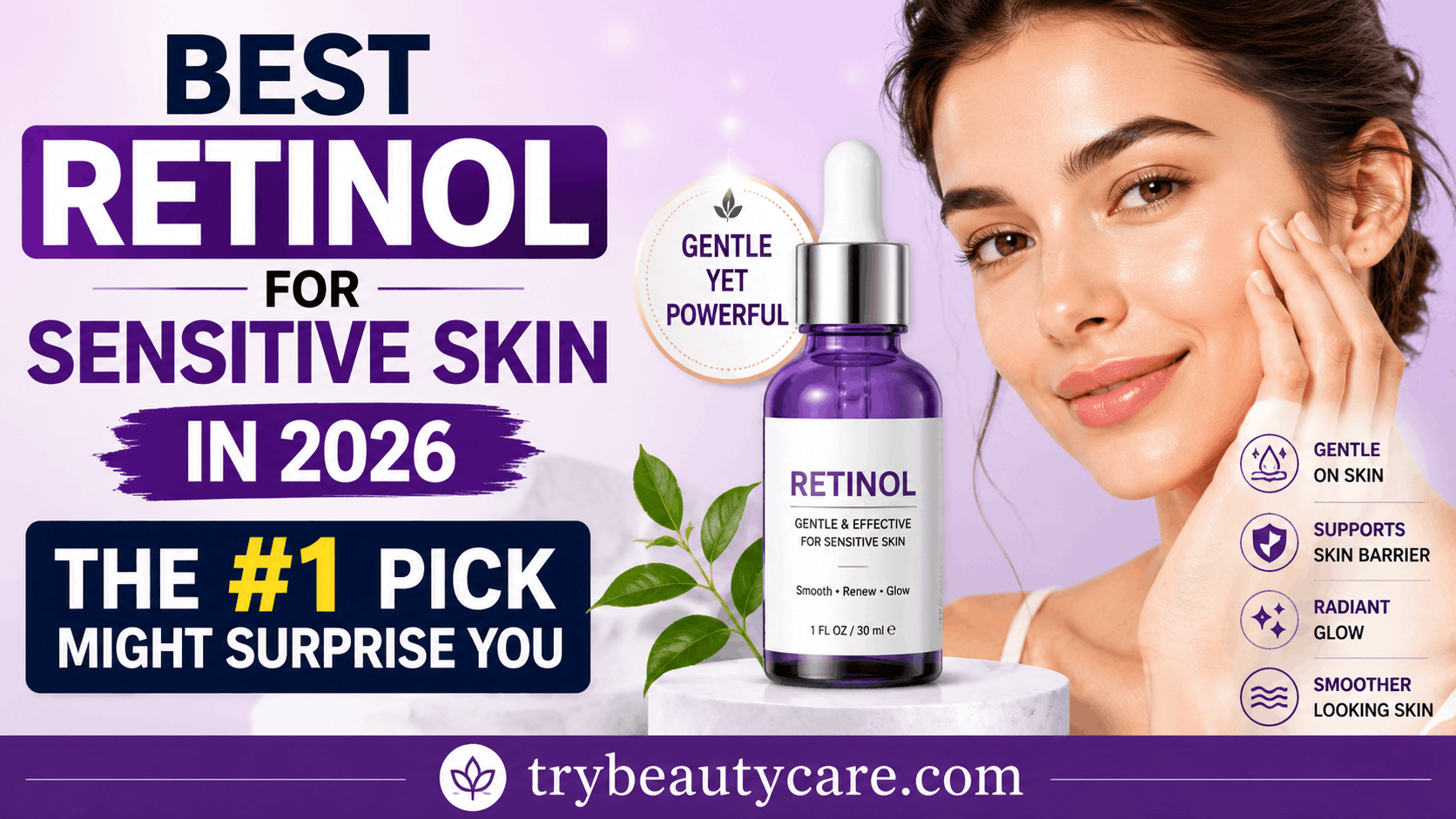
Best Retinol for Sensitive Skin has earned a reputation as one of the most talked-about skincare ingredients in the beauty world. From helping improve the appearance of fine lines to supporting smoother-looking skin, retinol continues to be a favorite among skincare enthusiasts and professionals alike.
However, for people with sensitive skin, the word “retinol” often comes with hesitation. Stories of redness, dryness, peeling, and irritation have caused many individuals to avoid this powerful ingredient altogether. The good news is that skincare innovation has come a long way, and today’s retinol products are more gentle, balanced, and beginner-friendly than ever before.
In 2026, brands are focusing on formulas that combine retinol with hydrating and soothing ingredients, making it possible for many sensitive skin users to enjoy the benefits of retinol without excessive discomfort.
This guide explores the best retinol options for sensitive skin, what makes a formula gentle, how to choose the right product, and the common mistakes that can prevent you from seeing the results you want.
Why Retinol Remains a Skincare Favorite
Retinol has earned a lasting place in the skincare world because of its ability to address multiple skin concerns within a single routine. Derived from vitamin A, retinol is commonly used in products formulated to support the skin’s natural renewal process and promote a smoother, healthier-looking complexion over time.
Unlike ingredients that focus on only one concern, retinol is valued for its versatility. Many skincare users incorporate it into their routines to help improve the appearance of:
- Fine lines and wrinkles
- Uneven skin texture
- Dull or tired-looking skin
- Visible pores
- Early signs of aging
- Post-blemish marks and discoloration
Another reason for retinol’s continued popularity is the ongoing advancement in skincare formulations. Modern products are often designed with moisturizing and soothing ingredients that help make retinol more comfortable to use, especially for those with sensitive skin. This has allowed more people to experience its potential benefits without the harsh side effects that were once commonly associated with traditional retinol products.
However, effectiveness does not always mean stronger is better. For individuals with sensitive skin, selecting the right formulation is essential. Using a product that is too potent or introducing retinol too quickly may lead to redness, dryness, or irritation. A gentle, well-balanced formula often provides a more comfortable experience and supports long-term consistency, which is one of the most important factors in any successful skincare routine.
This balance between effectiveness and adaptability is a major reason why retinol continues to be one of the most trusted and widely recommended ingredients in skincare today.
What Makes a Retinol Suitable for Sensitive Skin?
Choosing a retinol product can be challenging when you have sensitive skin. While many retinol formulas are designed to deliver noticeable results, not all of them are created with skin comfort in mind. A product that works well for one person may feel too harsh for someone whose skin is more reactive.
The best retinol products for sensitive skin focus on gradual improvement rather than aggressive treatment. Instead of relying on very high concentrations, these formulations are typically designed to support the skin’s natural barrier while helping users build tolerance over time. This balanced approach can make retinol easier to incorporate into a long-term skincare routine.
Several features often distinguish sensitive skin-friendly retinol products from stronger alternatives:
Lower Retinol Strength
Milder concentrations are often recommended for beginners and individuals with sensitive skin. Starting with a lower strength allows the skin to adjust gradually and may reduce the risk of irritation.
Encapsulated Retinol
Encapsulated retinol technology has become increasingly popular in modern skincare. This delivery system releases retinol slowly into the skin rather than all at once, helping improve comfort while maintaining effectiveness.
Barrier-Supporting Ingredients
Many gentle retinol formulas contain ingredients that help support the skin’s protective barrier, including:
- Ceramides
- Hyaluronic acid
- Niacinamide
- Glycerin
- Squalane
These ingredients help maintain moisture levels and reduce feelings of dryness that can sometimes occur when using retinol.
Soothing Botanical Extracts
Some formulations also include calming plant-based ingredients such as aloe vera, oat extract, green tea extract, or centella asiatica. These ingredients are often used to help promote a more comfortable skincare experience.
Fragrance-Free Formulas
Sensitive skin users frequently benefit from products that avoid unnecessary fragrance and other potentially irritating additives. Simpler ingredient lists can sometimes make products easier to tolerate.
When evaluating a retinol product, effectiveness should not be the only consideration. A formula that supports hydration, barrier health, and overall skin comfort is often a better choice for sensitive skin than one that prioritizes strength alone. In many cases, consistent use of a gentle retinol delivers better long-term results than an aggressive product that causes irritation and discourages regular use.

Signs You Should Choose a Gentle Retinol Formula
Retinol can be a valuable addition to a skincare routine, but not every skin type responds well to strong formulations. If your skin tends to react easily or becomes uncomfortable after using certain products, starting with a gentle retinol may be the smartest approach.
Sensitive skin often provides warning signs that indicate a more cautious introduction to active ingredients is needed. Paying attention to these signals can help you choose a product that supports your skin rather than overwhelms it.
You may benefit from a gentle retinol formula if you frequently notice:
- Tightness or discomfort after washing your face
- Redness following the use of skincare products
- Dry, flaky, or rough patches
- Burning or stinging sensations after application
- Increased sensitivity during seasonal weather changes
- Difficulty tolerating exfoliating acids or other active ingredients
These signs do not necessarily mean you should avoid retinol altogether. Instead, they suggest that your skin may respond better to a lower-strength formula designed with hydration and barrier support in mind.
Many people make the mistake of choosing the strongest retinol available in hopes of achieving faster results. However, when it comes to sensitive skin, a gradual and consistent approach often delivers a better experience. A mild formula can help your skin adapt over time while reducing the likelihood of excessive dryness or irritation.
Starting slowly also allows you to monitor how your skin responds and make adjustments if needed. In many cases, long-term consistency with a gentle retinol provides more satisfying results than using a powerful product that causes discomfort and disrupts your skincare routine.
Remember, successful retinol use is not about how strong the product is—it’s about finding a formula your skin can comfortably tolerate and use consistently for months to come.
The Retinol Formula Everyone Is Talking About in 2026
The skincare industry is constantly evolving, and one of the most talked-about innovations in 2026 is encapsulated retinol. As more consumers look for effective skincare solutions that are also gentle on the skin, this advanced form of retinol has quickly gained attention among beauty experts and skincare enthusiasts.
Traditional retinol products can sometimes feel too intense for sensitive skin, especially when first introduced into a routine. Encapsulated retinol was developed to help address this challenge. Instead of delivering the active ingredient all at once, the retinol is enclosed within tiny protective capsules that release it gradually after application.
This slower delivery process offers several potential advantages. By distributing retinol over time, encapsulated formulas may help reduce the likelihood of excessive dryness, redness, and irritation that some users experience with conventional retinol products. At the same time, the skin can still benefit from the ingredient’s well-known ability to support a smoother, more refined appearance.
Another reason encapsulated retinol is becoming increasingly popular is its compatibility with modern skincare philosophies. Rather than focusing on aggressive treatments that push the skin to its limits, today’s skincare trends emphasize maintaining a healthy skin barrier and achieving results through consistency. This approach is particularly appealing to individuals with sensitive or reactive skin.
Many of the newest retinol products combine encapsulated retinol with nourishing ingredients such as ceramides, niacinamide, hyaluronic acid, and soothing plant extracts. These additions help create a more balanced formula designed to support hydration and comfort throughout the retinol journey.
As a result, encapsulated retinol is often recommended for:
- First-time retinol users
- Sensitive skin types
- Individuals concerned about irritation
- People looking for a gradual introduction to vitamin A skincare
- Anyone seeking a more comfortable retinol experience
The growing popularity of encapsulated retinol reflects a broader shift within the beauty industry. In 2026, skincare is becoming less about using the strongest products possible and more about choosing formulations that deliver steady, sustainable results while respecting the skin’s natural barrier. For many people, this smarter and gentler approach is proving to be the key to long-term skincare success.
Key Ingredients That Work Well Alongside Retinol
Retinol may be the star ingredient in many skincare products, but its overall performance often depends on the ingredients surrounding it. A well-formulated retinol product does more than deliver vitamin A benefits—it also helps support hydration, strengthen the skin barrier, and improve overall comfort during use.
This is especially important for individuals with sensitive skin, as the right combination of ingredients can help reduce the likelihood of dryness, tightness, and irritation. When shopping for a retinol product, look for formulas that include supportive ingredients known for their moisturizing and barrier-friendly properties.
Hyaluronic Acid
Hyaluronic acid is one of the most popular hydrating ingredients in modern skincare. It attracts and retains moisture, helping the skin feel smoother and more hydrated. Since retinol can sometimes contribute to temporary dryness, hyaluronic acid is often included to help maintain a healthy moisture balance.
Ceramides
Ceramides are naturally occurring lipids that play a vital role in the skin’s protective barrier. They help lock in moisture and support the skin’s defense against environmental stressors. Retinol products that contain ceramides are often preferred by people with sensitive skin because they help promote comfort while maintaining barrier health.
Niacinamide
Niacinamide, a form of vitamin B3, is widely recognized for its versatility. It helps support normal skin barrier function and is frequently used in products designed to improve the appearance of uneven skin tone and dullness. When paired with retinol, niacinamide can help create a more balanced and skin-friendly formula.
Squalane
Squalane is a lightweight moisturizing ingredient that helps replenish hydration without leaving the skin feeling greasy or heavy. Its silky texture makes it suitable for a variety of skin types, including sensitive and combination skin. Many modern retinol products use squalane to help enhance skin softness and comfort.
Panthenol
Panthenol, also known as provitamin B5, is valued for its soothing and moisturizing properties. It is commonly included in skincare products formulated for delicate or easily irritated skin. By supporting hydration and comfort, panthenol can help make retinol routines feel more manageable, particularly for beginners.
Why These Ingredients Matter
A successful retinol experience is not determined by retinol alone. The most effective products often combine retinol with hydrating, barrier-supporting, and soothing ingredients that work together to create a more balanced formula. This thoughtful combination can help users remain consistent with their routine, which is often the most important factor in achieving long-term skincare goals.
When evaluating retinol products for sensitive skin, pay close attention to the complete ingredient list—not just the retinol concentration. The supporting ingredients may ultimately determine how comfortable and effective the product feels over time.
How to Introduce Retinol Without Irritation
One of the most common mistakes people make when starting retinol is using it too often too soon. Excitement about potential results can lead to overuse, which may increase the likelihood of redness, dryness, flaking, and overall discomfort—especially for those with sensitive skin.
The key to a successful retinol routine is allowing your skin time to adjust gradually. Building tolerance slowly can help minimize irritation while creating a foundation for long-term consistency.

Weeks 1–2: Start Slowly
During the first two weeks, apply retinol only one or two nights per week. This gives your skin an opportunity to become familiar with the ingredient without overwhelming its natural barrier.
At this stage, focus on:
- Using a gentle cleanser
- Applying a moisturizer regularly
- Monitoring your skin’s response
- Avoiding unnecessary exfoliating products
Remember that introducing retinol is a process, not a race. Starting slowly often leads to a more comfortable experience.
Weeks 3–4: Gradually Increase Frequency
If your skin remains comfortable and shows no significant signs of irritation, you can consider increasing application frequency. Many people move to every other night during this stage, depending on their individual tolerance.
Pay attention to how your skin feels after each application. Temporary dryness can occur, but persistent redness, burning, or excessive peeling may indicate that you need to reduce usage and allow your skin more time to adapt.
After One Month: Build a Sustainable Routine
After several weeks of successful use, you can gradually work toward a routine that suits your skin’s needs. Some people eventually use retinol multiple times per week, while others find that less frequent application provides the best balance between results and comfort.
There is no universal schedule that works for everyone. The ideal frequency depends on factors such as skin type, product strength, climate, and overall skincare routine.
Additional Tips for a Smoother Transition
To make the adjustment period easier, consider the following strategies:
- Apply retinol to completely dry skin
- Use a moisturizer before or after retinol if needed
- Avoid combining multiple strong active ingredients on the same night
- Wear sunscreen daily during daytime hours
- Stay consistent with hydration and barrier-supporting skincare
Consistency Matters More Than Speed
Retinol is often viewed as a long-term skincare ingredient. While some people hope for immediate changes, noticeable improvements usually develop gradually with consistent use over time. Rushing the process can increase irritation and may disrupt your routine altogether.
A patient, steady approach often delivers the best results. By allowing your skin to adjust at its own pace, you can create a retinol routine that feels comfortable, sustainable, and easier to maintain for the months ahead.
Common Retinol Mistakes Sensitive Skin Users Make
Retinol can be an excellent addition to a skincare routine, but many people with sensitive skin struggle not because of the ingredient itself, but because of how they use it. Small mistakes can lead to unnecessary irritation and make it difficult to stay consistent with a retinol regimen.
Understanding these common pitfalls can help you get the most from your product while keeping your skin comfortable and healthy.
Using More Product Than Necessary
When it comes to retinol, more is not always better. A common misconception is that applying a larger amount will produce faster or more dramatic results. In reality, excessive application may increase the risk of dryness, redness, and irritation without providing additional benefits.
For most people, a pea-sized amount is sufficient for the entire face. Applying a thin, even layer is usually all that’s needed to cover the skin effectively.
Skipping Moisturizer
Many sensitive skin users underestimate the importance of hydration when introducing retinol. Moisturizer helps support the skin barrier and can reduce feelings of dryness or tightness that sometimes occur during the adjustment period.
Using a nourishing moisturizer regularly can make retinol easier to tolerate and contribute to a more comfortable overall experience.
Combining Too Many Active Ingredients
Retinol is often powerful enough on its own. Layering it with multiple strong active ingredients, especially during the early stages of use, can place unnecessary stress on the skin.
Ingredients that may require extra caution when combined with retinol include:
- Strong exfoliating acids
- High-strength chemical peels
- Multiple resurfacing treatments
- Other potentially irritating skincare actives
A simple routine often works best while your skin adapts.
Expecting Instant Results
Retinol is not designed to deliver overnight transformations. Many people become discouraged when they do not see immediate changes and either stop using the product or increase usage too quickly.
Visible improvements generally develop gradually with consistent use. Patience and realistic expectations are important parts of any successful retinol routine.
Neglecting Daily Sun Protection
Sun protection is one of the most important habits to maintain while using retinol. Since skincare goals often involve improving the appearance of the skin over time, protecting the skin from daily UV exposure is essential.
A broad-spectrum sunscreen can help support your overall skincare efforts and should be applied consistently during daytime hours.
Trying to Progress Too Quickly
Some users increase application frequency before their skin has fully adjusted. While enthusiasm is understandable, moving too fast can lead to unnecessary irritation and setbacks.
Allowing your skin time to adapt gradually often creates a more positive long-term experience and makes it easier to maintain consistent use.
Focus on Consistency, Not Intensity
The most successful retinol routines are usually built on patience, balance, and consistency. Rather than chasing rapid results, focus on developing habits that your skin can comfortably tolerate over time. For sensitive skin users, a gentle and steady approach often delivers the best results while minimizing unnecessary discomfort.
Morning Routine for Sensitive Skin Using Retinol
A well-balanced morning skincare routine can make a significant difference when using retinol, especially for individuals with sensitive skin. Since retinol is typically applied in the evening, the morning routine should focus on hydration, barrier support, and protection from environmental factors throughout the day.
One of the biggest mistakes people make is overloading their skin with too many products. Sensitive skin often responds best to a simple, consistent routine that prioritizes comfort and protection rather than excessive treatment.
Step 1: Use a Gentle Cleanser
Start your day with a mild cleanser that removes excess oil, sweat, and overnight product buildup without stripping the skin of its natural moisture. Harsh cleansers can leave sensitive skin feeling tight and uncomfortable, making it more difficult to maintain a healthy skin barrier.
Step 2: Apply a Hydrating Serum
A lightweight hydrating serum can help replenish moisture and support skin comfort throughout the day. Ingredients such as hyaluronic acid, glycerin, and panthenol are commonly used to help the skin feel hydrated and refreshed.
Step 3: Follow With Moisturizer
Moisturizer plays an essential role in maintaining hydration and supporting the skin’s protective barrier. Choosing a formula suitable for sensitive skin can help reduce dryness and keep the complexion feeling balanced and comfortable.
Step 4: Finish With Broad-Spectrum Sunscreen
Daily sunscreen is one of the most important parts of any skincare routine, particularly when using retinol. Broad-spectrum sun protection helps shield the skin from harmful UV rays and supports overall skin health. Applying sunscreen every morning, regardless of the weather, can help protect the progress you’re making with your skincare routine.
Why Simplicity Matters
Sensitive skin often benefits from a minimalist approach. Rather than introducing multiple active ingredients at once, focusing on cleansing, hydration, moisturization, and sun protection can help reduce unnecessary stress on the skin.
A simple morning routine is easier to follow consistently and may help create an environment where your skin feels more comfortable while adjusting to retinol. Over time, these basic yet effective habits can contribute to a healthier-looking, more resilient complexion.
Evening Routine for Beginners
An effective evening skincare routine does not need to be complicated, especially when you’re just starting with retinol. In fact, keeping your routine simple can help minimize irritation and make it easier for your skin to adjust to this powerful ingredient over time.
For beginners and individuals with sensitive skin, the primary goal is to support the skin barrier while gradually introducing retinol into the routine. A balanced evening regimen focuses on cleansing, hydration, and gentle application rather than using multiple active ingredients at once.
Step 1: Cleanse Gently
Begin by washing your face with a mild cleanser that removes dirt, excess oil, sunscreen, and makeup without stripping away essential moisture. Harsh cleansing products can leave the skin feeling dry and may increase sensitivity when retinol is applied afterward.
Step 2: Apply Moisturizer
Many skincare experts recommend applying a lightweight moisturizer before retinol, particularly for sensitive skin users. This can help create a buffer between the skin and the active ingredient while maintaining hydration.
Choose a moisturizer that contains skin-supporting ingredients such as:
- Ceramides
- Hyaluronic acid
- Glycerin
- Squalane
- Panthenol
Step 3: Apply Retinol
Once the skin is dry, apply a small amount of retinol evenly across the face. A pea-sized amount is typically enough for full facial coverage.
Avoid applying retinol too close to sensitive areas such as:
- The corners of the eyes
- Around the nostrils
- The corners of the mouth
These areas can be more prone to irritation.
Step 4: Add Another Layer of Moisturizer if Needed
Some people find additional comfort by applying a second layer of moisturizer after retinol. This extra hydration can help reduce dryness and support the skin barrier as it adapts to the ingredient.
Understanding the Sandwich Method
One technique that has become increasingly popular among beginners is the “sandwich method.” This approach involves applying moisturizer before and after retinol.
The process typically looks like this:
- Moisturizer
- Retinol
- Moisturizer
Many sensitive skin users prefer this method because it may help reduce irritation while still allowing them to incorporate retinol into their skincare routine.
Consistency Over Complexity
A successful beginner retinol routine does not require numerous products or complicated steps. A gentle cleanser, a supportive moisturizer, and a carefully chosen retinol product are often enough to build a strong foundation.
By introducing retinol gradually and prioritizing hydration, beginners can create a routine that feels comfortable, sustainable, and easier to maintain over the long term.
How Long Does Retinol Take to Work?
One of the most common questions people ask before starting retinol is how quickly they can expect to see results. While retinol is widely respected in the skincare world, it is important to understand that it is not an overnight solution. Unlike products that provide temporary cosmetic effects, retinol works gradually as part of the skin’s natural renewal process.
The timeline for visible improvements can vary from person to person. Factors such as skin type, product strength, application frequency, age, and overall skincare routine can all influence how quickly changes become noticeable. Some individuals may begin to see subtle improvements within a few weeks, while others may require several months of consistent use.
With regular application, retinol may help improve the appearance of:
- Skin texture
- Smoothness
- Overall radiance
- Fine lines
- Uneven-looking skin tone
- Rough or dull areas
It’s also important to remember that the early stages of using retinol are often focused on helping the skin adjust to the ingredient. During this period, some users may experience mild dryness or temporary sensitivity before seeing noticeable cosmetic improvements.
Many people make the mistake of increasing usage too quickly when results do not appear immediately. However, consistency is generally far more important than speed. Using a gentle retinol regularly and allowing your skin time to adapt often produces better long-term outcomes than applying stronger products too aggressively.
Retinol is best viewed as a long-term investment in your skincare routine. Small improvements tend to build gradually over time, leading to a smoother, healthier-looking complexion. By maintaining realistic expectations and staying consistent with your routine, you can give your skin the opportunity to benefit from retinol’s full potential.
In the world of skincare, patience often delivers better results than rushing the process, and retinol is one of the best examples of that principle.
Is Retinol Safe for Daily Use?
Many people wonder whether retinol should be applied every day to achieve the best results. The answer depends largely on your skin type, the strength of the product, and how well your skin tolerates active ingredients.
For some individuals, daily use becomes possible after their skin has gradually adjusted to retinol over time. As tolerance improves, they may comfortably incorporate it into their nightly skincare routine without experiencing significant dryness or irritation.
However, using retinol every day is not a requirement for success. In fact, many people achieve noticeable improvements while applying retinol only two to four times per week. For sensitive skin types, less frequent application can often provide a better balance between effectiveness and comfort.
The key is understanding that skincare is not one-size-fits-all. A routine that works perfectly for someone else may not be ideal for your skin. Rather than focusing on how often others use retinol, pay attention to how your own skin responds.
Signs that your current routine may be working well include:
- Minimal irritation or redness
- Comfortable hydration levels
- Consistent use without discomfort
- Gradual improvements in skin appearance
On the other hand, persistent dryness, peeling, or sensitivity may indicate that you need to reduce application frequency or choose a gentler formula.
Ultimately, the most effective retinol routine is one that your skin can tolerate consistently over the long term. Whether that means using retinol every night or just a few times each week, finding a schedule that supports both results and skin comfort is far more important than following a strict daily-use rule.
Alternatives for Extremely Sensitive Skin
While retinol is one of the most popular skincare ingredients available today, it is not the only option for individuals looking to improve the appearance of their skin. For people with extremely sensitive, reactive, or easily irritated skin, traditional retinol products may feel too strong, even when used cautiously.
Fortunately, modern skincare offers several gentler alternatives that can help support skin renewal and overall skin health without causing excessive discomfort. These options are often favored by beginners or those who have struggled with irritation from stronger vitamin A products in the past.
Retinal (Retinaldehyde)
Retinal is a vitamin A derivative that has gained popularity in recent years. Many skincare enthusiasts appreciate its ability to support skin renewal while often being formulated in ways that prioritize comfort and skin barrier support.
Retinyl Esters
Ingredients such as retinyl palmitate and retinyl propionate are considered milder vitamin A derivatives. They are commonly found in beginner-friendly skincare products designed for individuals who want a gradual introduction to vitamin A-based ingredients.
Bakuchiol
Bakuchiol is a plant-derived ingredient frequently used as a retinol alternative. It has become increasingly popular among people with sensitive skin because it is often included in products that focus on gentle skincare routines. Many users appreciate its compatibility with daily use and its reputation for being less likely to cause irritation.
Peptides
Peptides are amino acid compounds commonly found in skincare products designed to support the appearance of firmer, smoother-looking skin. They can be an excellent option for individuals seeking a gentler approach to skincare without relying on stronger active ingredients.
Niacinamide
Niacinamide remains one of the most versatile ingredients in modern skincare. It is often included in routines focused on improving the appearance of uneven skin tone, supporting the skin barrier, and maintaining overall skin health. Many sensitive skin users find it easier to tolerate than more intensive treatments.
Why Some People Start With Alternatives
For individuals with highly reactive skin, beginning with a gentler ingredient can help build confidence and establish a consistent skincare routine. Once the skin becomes stronger and more resilient, some users choose to transition gradually to retinol products if desired.
Others discover that alternative ingredients provide the results they are looking for and decide to continue using them long term. There is no universal rule that says everyone must use retinol to achieve healthy-looking skin.
Finding What Works for Your Skin
The best skincare routine is one that you can maintain comfortably and consistently. If traditional retinol causes ongoing irritation despite careful use, exploring gentler alternatives may be a practical solution. Skincare is highly individual, and choosing products that respect your skin’s unique needs is often the most effective path toward achieving a healthy, balanced, and radiant complexion.
Final Thoughts
Finding the best retinol for sensitive skin in 2026 doesn’t necessarily mean choosing the strongest formula or following the latest skincare trend. The most effective retinol product is often the one that delivers consistent results while respecting your skin’s natural barrier.
With today’s advanced formulations, sensitive skin users have more options than ever before. From encapsulated retinol technology to products enriched with hydrating and soothing ingredients, modern skincare has made it possible to enjoy the benefits of retinol with greater comfort and confidence.
The key is to start slowly, choose a formula designed for your skin type, and remain patient throughout the process. Visible improvements rarely happen overnight, but steady and consistent use can help support smoother-looking, healthier, and more radiant skin over time.
It’s also important to remember that retinol is only one part of a successful skincare routine. Daily sunscreen, proper hydration, quality sleep, and a skin barrier-friendly approach all contribute to maintaining healthy-looking skin in the long run.
Whether you’re trying retinol for the first time or searching for a gentler upgrade to your current routine, prioritizing skin comfort can make all the difference. In many cases, the best retinol for sensitive skin isn’t the most powerful product on the shelf—it’s the one your skin can use consistently without unnecessary irritation.
As skincare continues to evolve in 2026, the focus is shifting away from harsh treatments and toward smarter, more balanced solutions. For sensitive skin users, that shift may be the biggest skincare win of all.