
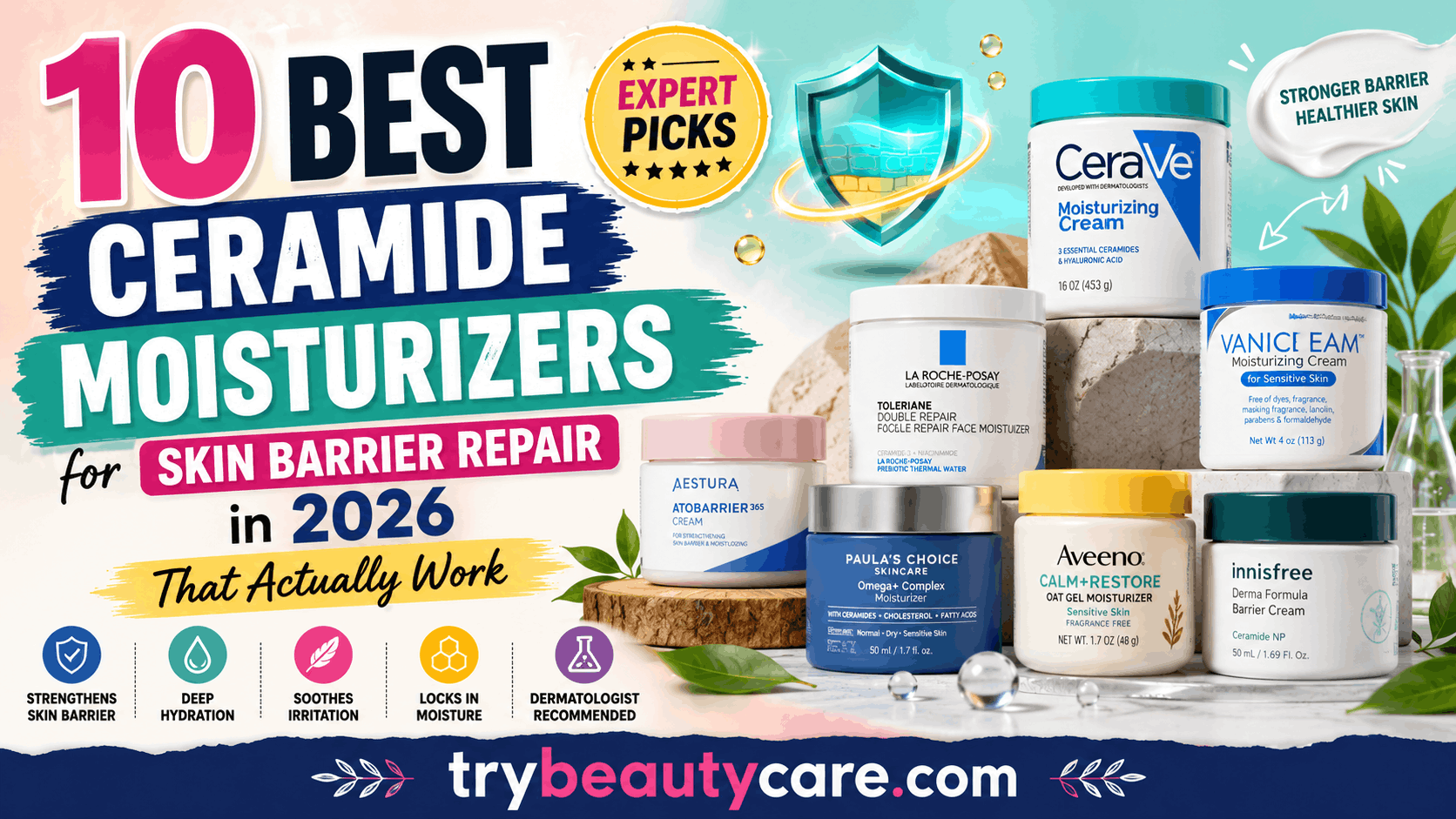
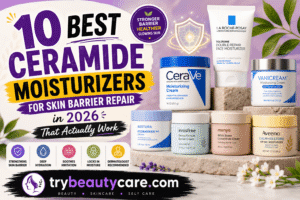
best ceramide moisturizers for skin barrier repair: Does your skin suddenly feel dry, tight, irritated, or more sensitive than usual? Maybe your face looks dull even after applying moisturizer, or your skin starts feeling uncomfortable after using active ingredients. These can sometimes be signs that your skin barrier needs support.
The skin barrier works like a protective shield. It helps hold moisture inside while keeping outside irritants away. When this protective layer becomes weakened, skin may become more reactive and uncomfortable.
One ingredient that has gained major attention in skincare is ceramides. Ceramides naturally exist in the skin and play an important role in supporting moisture balance and barrier function.
This guide explains how ceramide moisturizers work, why they matter, and what to look for when choosing the best ceramide moisturizer for skin barrier repair in 2026.
What Are Ceramides?
Ceramides are natural lipids, also called fats, found in the outer layer of skin.
Think of your skin like a brick wall:
- Skin cells = bricks
- Ceramides = mortar holding bricks together
Without enough ceramides, tiny gaps may form in the skin barrier.
This can lead to:
- Dryness
- Tightness
- Rough texture
- Increased sensitivity
- Moisture loss
- Irritation
Healthy ceramide levels help support smoother and healthier-looking skin.
Why Skin Barrier Repair Matters
Many people focus only on treating visible concerns like:
- Acne
- Fine lines
- Dark spots
- Redness
But skin barrier health often acts as the foundation for overall skincare.
A weakened barrier may make skin feel:
- Dry after cleansing
- More sensitive than normal
- Easily irritated
- Rough or flaky
- Uncomfortable
Supporting the barrier may help improve how skin looks and feels over time.
Signs Your Skin Barrier May Be Damaged
Some common signs include:
Persistent Dryness
Skin may continue feeling dry even after applying products.
Redness and Sensitivity
Products that previously felt fine may suddenly sting or irritate skin.
Tight Feeling After Washing
If your face feels uncomfortable immediately after cleansing, your barrier may need extra moisture support.
Flaky Areas
Dry patches can sometimes appear around:
- Nose
- Chin
- Forehead
- Cheeks
Increased Skin Reactivity
Skin may react more strongly to:
- Weather changes
- Active ingredients
- Fragranced products
Why Ceramide Moisturizers Have Become Popular
Ceramide-based skincare products continue growing in popularity because many people want:
- Better hydration
- Simpler routines
- Stronger skin barrier support
- Less irritation
- More comfortable skin
Unlike harsh approaches that attempt quick fixes, barrier-focused skincare usually emphasizes long-term skin health.
Benefits of Ceramide Moisturizers
Improved Moisture Retention
Ceramides help support the skin’s ability to hold moisture.
Softer Skin Texture
Hydrated skin often feels smoother and more comfortable.
Support for Sensitive Skin
Many people with sensitive skin prefer gentle ingredients.
Reduced Dry Appearance
Proper hydration may help reduce visible dry patches.
Supports Overall Skin Health
Healthy skin barrier function often supports better-looking skin over time.
Ingredients That Work Well With Ceramides
Ceramides are commonly combined with other skincare ingredients.
Hyaluronic Acid
Hyaluronic acid supports hydration by helping skin attract moisture.
Niacinamide
Niacinamide is often used in routines focused on skin comfort and appearance.
Glycerin
Glycerin helps maintain moisture balance.
Fatty Acids
Fatty acids can help support the skin barrier alongside ceramides.
Ingredients to Avoid if Your Barrier Feels Weak
If your skin already feels irritated, some ingredients may feel too strong temporarily.
Examples include:
- Excessive exfoliation
- Harsh cleansers
- Strong alcohol-based products
- Overuse of active ingredients
- Heavy fragrance
How to Use a Ceramide Moisturizer
Simple routine:
Morning
- Gentle cleanser
- Lightweight serum
- Ceramide moisturizer
- Sunscreen
Night
- Gentle cleanser
- Hydrating serum
- Ceramide moisturizer
How Skin Barriers Become Damaged in Daily Life
Many people assume that skin barrier damage only happens because of harsh skincare products. In reality, everyday habits can also affect the skin.
Small actions repeated every day may gradually make the skin feel stressed.
Common causes include:
Overwashing the Face
Washing your face too often can remove natural oils.
Some people wash their face:
- Morning
- Afternoon
- Evening
- Before bed
More cleansing does not always mean healthier skin.
Too much washing may leave skin feeling:
- Tight
- Dry
- Sensitive
Using Too Many Active Ingredients
Skincare trends often encourage people to use many products at once.
Examples include:
- Retinol
- Exfoliating acids
- Strong acne treatments
- Vitamin treatments
Layering multiple strong products together may overwhelm some skin types.
Weather Changes
Environmental factors can affect moisture levels.
Examples:
- Cold air
- Dry indoor heating
- Hot temperatures
- Wind exposure
- Sun exposure
Weather changes sometimes cause skin to feel different throughout the year.
Hot Water Exposure
Very hot showers may feel relaxing, but frequent hot water exposure can remove moisture from the skin surface.
Lukewarm water is often gentler.
Lack of Moisture Support
Skipping moisturizer because skin feels oily is a common mistake.
Even oily skin needs hydration.
Understanding Different Types of Ceramides
Many people see long ingredient names on product labels and become confused.
Common examples include:
- Ceramide NP
- Ceramide AP
- Ceramide EOP
- Ceramide EOS
These names may sound complicated, but their purpose is generally similar: helping support the skin barrier.
Different combinations are often used because the skin naturally contains multiple ceramide types.
Choosing the Best Ceramide Moisturizer for Your Skin Type
Not every moisturizer feels the same.
Different skin types usually have different preferences.
Dry Skin
People with dry skin often benefit from richer textures.
Look for:
- Cream formulas
- Hydrating ingredients
- Barrier-support ingredients
Oily Skin
Oily skin still needs hydration.
Look for:
- Lightweight formulas
- Gel-cream textures
- Non-heavy moisturizers
Sensitive Skin
Sensitive skin often benefits from simpler routines.
Look for:
- Fragrance-free products
- Gentle formulas
- Barrier-support ingredients
Combination Skin
Combination skin may have:
- Oily forehead
- Dry cheeks
- Different concerns in different areas
Balanced formulas may work well.
Morning Skin Barrier Routine Example
Healthy routines do not always need many products.
Simple morning routine:
Step 1: Gentle Cleanser
Choose a cleanser designed to clean without excessive dryness.
Step 2: Hydrating Serum
Hydrating products may support moisture balance.
Step 3: Ceramide Moisturizer
Apply evenly across the face.
Step 4: Sunscreen
Daily sun protection remains important.
Night Skin Barrier Routine Example
Night routines often focus on recovery and hydration.
Step 1: Gentle Cleansing
Remove dirt and product buildup.
Step 2: Moisture Support
Hydrating serums may help support comfort.
Step 3: Ceramide Moisturizer
Nighttime moisturizer helps maintain hydration while sleeping.
Common Mistakes People Make When Repairing Their Skin Barrier
Many people accidentally slow progress by making simple mistakes.
Mistake 1: Using Too Many Products
Adding ten new products at once may make it difficult to understand what works.
Mistake 2: Expecting Overnight Results
Skin changes usually happen gradually.
Mistake 3: Stopping Moisturizer Too Early
When skin starts improving, some people immediately stop using supportive products.
Consistency matters.
Mistake 4: Ignoring Sunscreen
Sun exposure can affect overall skin health.
Mistake 5: Scrubbing Skin Aggressively
Harsh scrubbing may increase irritation.
Gentle care is usually more helpful.
Skin Barrier Myths You Should Stop Believing
Myth: Oily Skin Doesn’t Need Moisturizer
Even oily skin requires hydration.
Myth: Stronger Products Work Faster
More strength does not automatically mean better results.
Myth: Tingling Means Products Are Working
Discomfort does not always indicate effectiveness.
Myth: Expensive Products Always Perform Better
Price alone does not determine results.
Ingredients and routine consistency often matter more.
Lifestyle Habits That Support Healthy Skin
Skincare products are only one part of the picture.
Helpful habits include:
- Drinking enough water
- Getting adequate sleep
- Managing stress
- Eating balanced meals
- Avoiding excessive sun exposure
Healthy habits may support overall skin wellness.
Best Ingredients to Pair With Ceramide Moisturizers
Ceramides often work even better when combined with other supportive ingredients. Instead of depending on one ingredient alone, many skincare routines use combinations that help skin feel balanced and hydrated.
Hyaluronic Acid
Hyaluronic acid is known for attracting moisture.
Potential benefits may include:
- Increased hydration
- Softer skin feel
- Reduced dryness appearance
- Better moisture support
Ceramides and hyaluronic acid are frequently paired because they support hydration in different ways.
Niacinamide
Niacinamide has become a popular ingredient in skincare routines.
People often use it for concerns related to:
- Uneven skin appearance
- Redness concerns
- Excess oil appearance
- Skin texture
Many routines combine niacinamide and ceramides because they can complement each other.
Glycerin
Glycerin is commonly found in moisturizers.
Benefits may include:
- Supporting moisture retention
- Helping skin feel softer
- Reducing dry-feeling skin
Fatty Acids
Fatty acids naturally exist in the skin barrier.
They may help support:
- Moisture balance
- Skin comfort
- Healthy-looking skin texture
Peptides
Peptides are increasingly included in skincare products.
People often use peptide-based products to support:
- Skin appearance
- Hydration routines
- Healthy-looking skin
Ingredients That May Feel Too Strong for a Weak Skin Barrier
When skin already feels sensitive or irritated, certain products can feel uncomfortable.
This does not automatically make those ingredients bad. Timing and skin condition often matter.
Strong Exfoliating Acids
Examples include:
- Glycolic acid
- Strong exfoliating treatments
- Intensive peel products
Overusing exfoliation can sometimes increase dryness.
Harsh Cleansers
Very strong cleansers may remove too much moisture.
Some signs include:
- Tight feeling after washing
- Dry patches
- Increased sensitivity
Heavy Fragrance
Fragrance preferences vary, but some people with sensitive skin choose simpler formulations.
Excessive Active Ingredients
Using several active products at once can sometimes create unnecessary stress for the skin.
Example of over-layering:
- Retinol
- Exfoliating acid
- Vitamin C
- Acne treatment
- Scrub product
Keeping routines simple may feel more comfortable.
Summer Skin Barrier Tips
Hot weather creates different skincare challenges.
People may experience:
- Increased sweat
- Oilier appearance
- Sun exposure
- Dehydration
Helpful habits include:
Use Lightweight Moisturizers
Heavy products may feel uncomfortable for some people during warmer weather.
Avoid Excessive Cleansing
Sweat does not always mean you need repeated washing.
Apply Sunscreen Daily
Sun exposure can affect overall skin health.
Drink Enough Water
Hydration supports general wellness.
Winter Skin Barrier Tips
Cold weather can create additional dryness.
Helpful ideas include:
Reduce Extremely Hot Showers
Hot water may increase dryness.
Increase Moisture Support
Some people prefer richer moisturizers during colder seasons.
Consider Humidity Levels
Indoor heating can make air feel dry.
Common Signs That Your Skin Barrier Is Improving
People often wonder if their skincare routine is actually helping. Skin barrier repair usually happens gradually rather than overnight.
Some positive changes may include:
Skin Feels Less Tight
One of the earliest changes people notice is reduced tightness after cleansing.
Instead of feeling stretched or uncomfortable, skin may feel softer and calmer.
Dry Patches Start Improving
Flaky areas around the:
- Nose
- Forehead
- Chin
- Cheeks
may gradually appear smoother.
Less Visible Redness
Skin that previously looked irritated may begin appearing more balanced.
Better Moisture Retention
You may notice that moisturizer seems to last longer throughout the day.
Increased Comfort
Many people describe improvement as skin simply feeling more comfortable.
How Long Does Skin Barrier Repair Take?
This is one of the most common questions people ask.
There is no exact timeline because every person’s skin is different.
Factors that may affect recovery include:
- Skin type
- Routine consistency
- Product choices
- Environment
- Lifestyle habits
Minor dryness may improve relatively quickly, while more noticeable irritation may take longer.
Consistency often matters more than constantly changing products.
How Seasonal Changes Affect the Skin Barrier
Skin behaves differently throughout the year.
Spring
Spring weather may bring:
- Increased humidity
- Pollen exposure
- Temperature changes
Some people notice more sensitivity during seasonal transitions.
Summer
Hot weather may contribute to:
- Sweat buildup
- Oilier appearance
- Increased sun exposure
Lightweight hydration may feel more comfortable.
Fall
Changing temperatures can sometimes make skin feel drier.
Winter
Winter conditions may include:
- Dry indoor heating
- Cold wind exposure
- Lower humidity
Many people switch to richer moisturizers during colder months.
Healthy Habits That May Support Stronger Skin
Skincare products are useful, but everyday habits also matter.
Prioritize Sleep
Sleep supports many normal body processes.
People who consistently sleep well often notice benefits beyond skincare.
Stay Hydrated
Water supports overall wellness.
Manage Daily Stress
Long periods of stress may affect many parts of the body.
Helpful activities include:
- Walking
- Reading
- Exercise
- Relaxation techniques
Eat Balanced Meals
Foods containing nutrients may support overall health.
Examples include:
- Fruits
- Vegetables
- Protein sources
- Healthy fats
Beginner-Friendly Skin Barrier Routine
If your routine currently feels complicated, simplifying may help.
Morning Routine
- Gentle cleanser
- Hydrating serum
- Ceramide moisturizer
- Sunscreen
Evening Routine
- Gentle cleanser
- Hydrating serum
- Ceramide moisturizer
Final Buying Tips Before Choosing a Ceramide Moisturizer
Before purchasing a product, consider:
Your Skin Type
Ask:
- Is my skin dry?
- Is my skin oily?
- Is my skin sensitive?
- Is my skin combination?
Product Texture Preference
Some people prefer:
- Lightweight gels
- Creams
- Rich moisturizers
- Lotion textures
Ingredient Combination
Look for supportive ingredients such as:
- Ceramides
- Hyaluronic acid
- Glycerin
- Fatty acids
- Niacinamide
Frequently Asked Questions
Are ceramides good for sensitive skin?
Many people with sensitive skin prefer barrier-support ingredients like ceramides.
Can oily skin use ceramide moisturizers?
Yes. Hydration and oil production are different things.
How long does skin barrier repair take?
Skin experiences vary and depend on multiple factors.
Can ceramides be used every day?
Ceramide moisturizers are commonly used as part of daily routines.
read more: 15 Best Beauty Products Under $50 That Actually Work in 2026
Conclusion
Healthy skin often starts with a healthy barrier. Ceramide moisturizers have become popular because they focus on hydration and long-term skin support rather than quick fixes.
If your skin feels:
- Dry
- Sensitive
- Tight
- Irritated
Supporting barrier health may help improve overall comfort and appearance.

2 thoughts on “10 Best Ceramide Moisturizers for Skin Barrier Repair in 2026 That Actually Work”