
Introduction: Why Waxing Services are Essential for Modern Skin Care
In 2026, personal grooming has evolved far beyond basic beauty routines. Modern consumers now view skincare, hair removal, and self-care as important parts of overall wellness, hygiene, and confidence. Among the many hair removal methods available today, professional waxing services continue to remain one of the most trusted and effective solutions for achieving smooth, healthy-looking skin.
Unlike shaving, which cuts hair only at the surface level, waxing removes hair directly from the root. This process often provides:
- Longer-lasting smoothness
- Softer hair regrowth
- Reduced stubble appearance
- Smoother skin texture
- Slower hair growth over time
Because of these benefits, waxing services have become an essential part of modern skincare and grooming routines for many people worldwide.
Why Professional Waxing Services Remain So Popular
The beauty industry continues evolving rapidly, but waxing remains highly popular because it offers a balance of:
- Convenience
- Affordability
- Long-lasting results
- Effective hair removal
- Skin smoothness
Many consumers prefer waxing services because they provide cleaner and longer-lasting results compared to shaving.
Professional waxing also helps many people feel:
- More confident
- Comfortable
- Groomed
- Prepared for social events and travel
Today, waxing is commonly included in monthly self-care and beauty maintenance routines.
The Connection Between Waxing and Skin Care
Modern skincare is no longer only about facial products and moisturizers. Smooth, healthy-looking skin across the entire body has become an important part of beauty care and personal grooming.
Professional waxing services may help improve:
- Skin smoothness
- Temporary exfoliation
- Softer skin texture
- Cleaner appearance
- Better makeup application on body areas
Because waxing removes hair from the root, it can also remove some dead skin cells during the process, leaving the skin feeling smoother immediately after treatment.
Why Many People Prefer Waxing Over Shaving
Shaving remains popular for quick hair removal, but many people switch to waxing because the results often last significantly longer.
Common Benefits of Waxing Compared to Shaving
- Hair grows back more slowly
- Skin feels smoother for longer
- Reduced razor bumps
- Less daily maintenance
- Softer regrowth texture
Many people also prefer avoiding the rough stubble that often appears shortly after shaving.
Professional Waxing Services for Different Body Areas
Modern beauty salons and waxing studios now offer services for nearly every body area.
Popular waxing services include:
- Leg waxing
- Arm waxing
- Underarm waxing
- Bikini waxing
- Brazilian waxing
- Facial waxing
- Eyebrow waxing
Professional aestheticians often customize waxing methods depending on skin sensitivity and hair texture.
How Modern Waxing Technology Has Improved
Waxing products and techniques have improved significantly in recent years.
Today’s professional waxing services often include:
- Hard wax for sensitive skin
- Chocolate wax
- Aloe vera wax
- Fruit wax
- Sensitive skin formulas
- Low-temperature wax systems
These newer formulations are designed to improve comfort while reducing redness and irritation.
Waxing Services and Self-Care Culture
Self-care has become a major lifestyle trend worldwide, and beauty treatments are increasingly viewed as relaxing wellness experiences rather than simple cosmetic routines.
Many people schedule waxing appointments as part of their:
- Monthly beauty maintenance
- Vacation preparation
- Wedding preparation
- Spa and salon visits
- Personal grooming routines
Professional waxing often contributes to feelings of cleanliness, confidence, and relaxation.
The Importance of Choosing Professional Waxing Services
Professional waxing services are often safer and more hygienic than attempting difficult waxing procedures at home.
Experienced professionals understand:
- Skin sensitivity
- Proper wax temperature
- Hair growth direction
- Hygiene standards
- Aftercare recommendations
Professional salons also use specialized techniques that may reduce discomfort and lower the risk of skin irritation.
Modern Skin Care Trends Supporting Waxing Services
Several beauty trends continue increasing the popularity of waxing services in 2026.
Popular Modern Grooming Trends
- Smooth skin aesthetics
- Minimal body hair trends
- Body skincare routines
- Luxury salon treatments
- Self-care rituals
- Long-lasting grooming solutions
As skincare awareness grows, many consumers now combine body hair removal with moisturizing, exfoliation, and skin barrier care.
Chapter 1: The Science of Hair Growth and Waxing
To appreciate the effectiveness of waxing services, one must understand the biology of the hair follicle. Hair grows in three distinct stages:
-
Anagen (Growth Phase): This is when the hair is actively growing and attached to the bulb.
-
Catagen (Transition Phase): The hair follicle shrinks and detaches from the dermal papilla.
-
Telogen (Resting Phase): The old hair falls out to make room for new growth.
When you book a session at a beauty salon, the goal is to remove the hair during the Anagen phase. Regular waxing eventually weakens the follicle, leading to less hair density over time. This is why many people notice that after years of consistent waxing services, their hair grows back much thinner and lighter.
Chapter 2: Types of Professional Waxing Services
Not all wax is created equal. Depending on the area of the body and your skin sensitivity, a professional makeup artist or aesthetician will choose between several types of wax:
1. Hard Wax (Stripless Wax)
Hard wax is applied warm and hardens as it cools, gripping only the hair and not the skin. This makes it the perfect choice for sensitive areas like the bikini line, underarms, and face. Most high-end “salon near me” locations prefer hard wax for Brazilian waxing to minimize discomfort.
2. Soft Wax (Strip Wax)
Soft wax is applied in a thin layer and removed using a cloth or paper strip. It is ideal for larger areas like the legs, back, and arms. It effectively removes fine vellus hair, leaving the skin feeling incredibly soft.
3. Chocolate and Fruit Wax
Modern waxing services now include premium ingredients like cocoa, strawberry, and chocolate. These are often referred to as “Rica Wax” or “Liposoluble Wax.” They contain skin-soothing oils and antioxidants that reduce redness and post-wax irritation.
Chapter 3: Most Popular Waxing Areas
When searching for waxing services, most clients focus on specific zones. Here is a breakdown of what to expect for each:
-
Leg Waxing: Full or half-leg options. This provides up to 4 weeks of smoothness, far superior to the 2-day results of shaving.
-
Arm Waxing: Includes the hands and fingers for a clean, polished look.
-
Bikini and Brazilian: These require the highest level of expertise. A professional beauty parlour ensures a hygienic and private environment for these sensitive services.
-
Facial Waxing: Includes eyebrows, upper lip, and chin. It provides a much cleaner finish than threading for those with sensitive skin.
Chapter 4: Pre-Waxing Preparation: The Key to a Painless Experience
To get the most out of your waxing services, preparation is mandatory.
-
Exfoliation: 24 to 48 hours before your appointment, gently exfoliate the area with a scrub. This removes dead skin cells and lifts trapped hairs.
-
Length Matters: Ensure your hair is at least 1/4 inch long (about the size of a grain of rice). If it’s too short, the wax won’t grip; if it’s too long, it may cause more discomfort.
-
Hydration: Drink plenty of water. Hydrated skin allows the hair to slide out of the follicle more easily.
-
Avoid Caffeine: Believe it or not, caffeine can make your skin more sensitive. Try to avoid coffee on the day of your appointment at the beauty salon.
Chapter 5: Post-Waxing Aftercare: Maintaining Your Glow
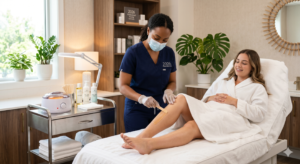
Proper post-waxing aftercare is one of the most important parts of professional waxing services. While waxing helps remove unwanted hair and leaves the skin feeling smooth, the skin may remain temporarily sensitive after treatment. Following the right aftercare routine can help reduce irritation, maintain softness, and support healthier-looking skin.
In 2026, modern skincare experts increasingly emphasize that post-waxing care is essential for preventing:
- Redness
- Ingrown hairs
- Dryness
- Irritation
- Bumps
- Sensitivity
A gentle aftercare routine can also help extend the smooth results of waxing services while keeping the skin comfortable and glowing.
Why Post-Waxing Skin Needs Extra Care
Waxing removes hair directly from the root, which temporarily leaves hair follicles open and the skin more delicate than usual.
Immediately after waxing, the skin may experience:
- Mild redness
- Warmth
- Tightness
- Sensitivity
- Temporary irritation
These reactions are usually normal and often fade within a few hours with proper care.
Wear Loose and Comfortable Clothing After Waxing
Tight clothing can create friction against freshly waxed skin and increase irritation.
Best Clothing Choices After Waxing
- Loose cotton clothing
- Soft fabrics
- Breathable outfits
- Relaxed-fitting garments
This is especially important after:
- Bikini waxing
- Brazilian waxing
- Underarm waxing
- Leg waxing
Reducing friction may help prevent bumps and discomfort.
Avoid Heat and Sweat for 24 Hours
Freshly waxed skin is more sensitive to heat and bacteria immediately after treatment.
Avoid These Activities After Waxing
- Hot showers
- Steam rooms
- Saunas
- Intense workouts
- Swimming pools
- Hot tubs
Excessive heat and sweating may increase irritation or clog freshly opened follicles.
Use Gentle Soothing Products After Waxing
Hydrating and calming skincare products may help reduce redness and support skin comfort.
Popular Post-Waxing Skincare Ingredients
- Aloe vera
- Tea tree oil
- Chamomile
- Panthenol
- Colloidal oatmeal
These ingredients are commonly used in soothing gels, lightweight lotions, and post-wax care products.
Keep the Skin Hydrated After Waxing
Hydration is important for maintaining smooth skin after professional waxing services.
Benefits of Moisturizing After Waxing
Proper moisturization may help:
- Reduce dryness
- Support skin barrier repair
- Maintain smoothness
- Improve skin comfort
Lightweight, fragrance-free moisturizers are often recommended for sensitive post-wax skin.
Avoid Touching the Waxed Area Frequently
Freshly waxed skin can be more vulnerable to bacteria and irritation.
Helpful Hygiene Tips After Waxing
- Avoid excessive touching
- Keep hands clean
- Avoid scratching the skin
- Use clean towels and clothing
These habits may help reduce the risk of breakouts or follicle irritation.
Exfoliation Helps Prevent Ingrown Hairs
Ingrown hairs are one of the most common post-waxing concerns.
Gentle exfoliation may help remove dead skin cells and allow new hairs to grow properly.
When to Start Exfoliating After Waxing
Most professionals recommend waiting:
- 48 to 72 hours after waxing
before beginning gentle exfoliation.
Popular Exfoliation Options
- Soft body scrubs
- Exfoliating gloves
- Chemical exfoliants with mild acids
- Gentle exfoliating brushes
Over-exfoliation should be avoided because it may increase irritation.
Sun Protection After Waxing Services
Freshly waxed skin may become more sensitive to sunlight.
Important Sun Care Tips
- Avoid direct sun exposure immediately after waxing
- Use sunscreen on exposed waxed areas
- Wear protective clothing outdoors
This is especially important after:
- Facial waxing
- Arm waxing
- Leg waxing
Sun protection may help reduce temporary sensitivity and irritation.
How Long Post-Waxing Sensitivity Usually Lasts
For most people, mild redness or sensitivity improves within:
- A few hours
- 24 hours
- Occasionally 48 hours for sensitive skin
If severe irritation, swelling, or prolonged discomfort occurs, professional advice may be helpful.
Common Post-Waxing Mistakes to Avoid
Many people accidentally irritate their skin after waxing through improper aftercare.
Common Mistakes Include
- Using harsh skincare products
- Over-exfoliating too soon
- Wearing tight clothing
- Taking very hot showers
- Exercising immediately after waxing
- Applying heavily fragranced products
Gentle aftercare routines are usually the safest approach.
Long-Term Benefits of Good Waxing Aftercare
Consistent post-waxing care may help support:
- Softer skin texture
- Reduced ingrown hairs
- Longer-lasting smoothness
- Healthier skin appearance
- Improved comfort between appointments
Combining professional waxing services with proper skincare habits often leads to better long-term results.
Chapter 6: Waxing vs. Other Hair Removal Methods
In 2026, the debate continues: Waxing, Laser, or Shaving?
| Method | Longevity | Pain Level | Cost (CPC Value) |
| Waxing Services | 3-6 Weeks | Moderate | Affordable |
| Laser Removal | Semi-Permanent | High | Very Expensive |
| Shaving | 1-3 Days | Zero | Cheap |
| Epilation | 2-4 Weeks | High | Mid-range |
While Laser is permanent, it requires many sessions and doesn’t work on all hair colors. Waxing services remain the most versatile and effective choice for all skin types and hair textures.
Chapter 7: How to Find the Best Waxing Services Near You
With so many options, how do you choose the right “beauty parlour near me”?
-
Check Hygiene Standards: A reputable salon should never “double-dip” spatulas. Fresh gloves and clean sheets are a must.
-
Read Online Reviews: Look for mentions of “painless” or “professional staff.”
-
Inquire About the Wax Brand: High-quality salons use recognized brands that prioritize skin health.
Chapter 8: Frequently Asked Questions (FAQ)
Q: Does waxing make hair grow back thicker?
A: Absolutely not. In fact, regular waxing services often lead to finer and sparser hair growth over time because the follicle is weakened.
Q: Is waxing safe during pregnancy?
A: Yes, it is generally safe, but skin can be more sensitive during this time. Always inform your aesthetician beforehand.
Q: How often should I get waxed?
A: For most people, every 4 to 6 weeks is the ideal frequency to maintain smooth skin and manage hair growth cycles.
Q: Can I get waxed if I have sensitive skin?
A: Yes. Request “Hard Wax” or “Zinc Oxide Wax,” which are specifically designed for sensitive skin types to prevent lifting or redness.
read also: How to Remove Dark Spots Naturally Fast (2026 Guide)
Conclusion: Embrace the Smoothness
Investing in professional waxing services is more than just a grooming habit; it’s an investment in your skin’s long-term health and your personal confidence. By following the preparation and aftercare tips outlined in this guide, you can ensure a smooth, comfortable, and glowing result every time you visit a beauty salon.
For more expert tips on hair care tips, skincare routines, and finding the best bridal makeup artists, stay tuned to trybeautycare.com. Your journey to timeless beauty starts here!
1 thought on “The Ultimate Guide to Professional Waxing Services in 2026: Everything You Need to Know”