
Introduction
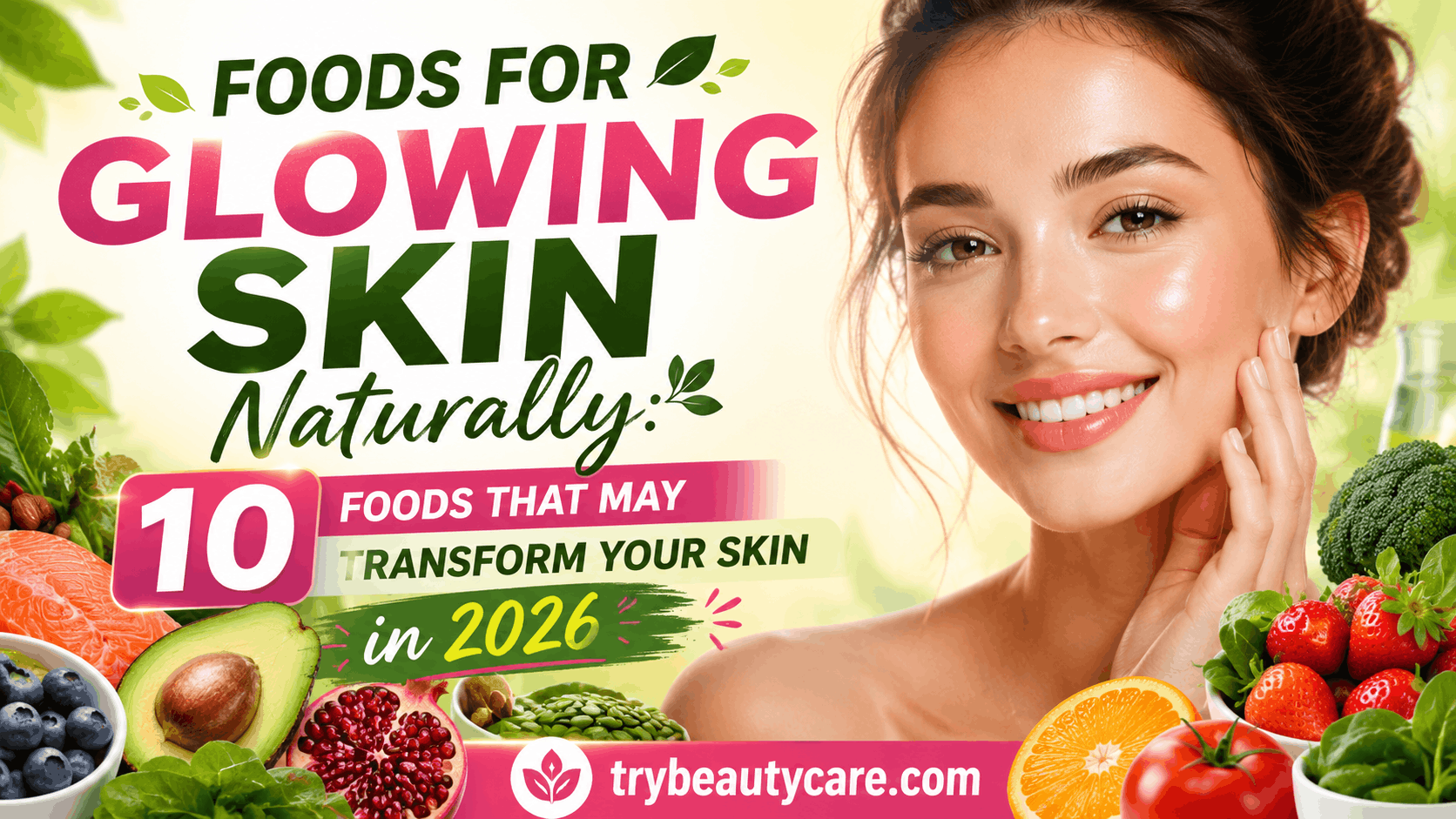
Foods for Glowing Skin Naturally: Many people spend a fortune on skincare products hoping to achieve glowing, healthy-looking skin. From expensive serums to luxury creams, the beauty industry offers countless solutions promising fast results.
However, glowing skin often starts long before skincare products touch your face.
What you eat every day can play a major role in supporting your skin’s overall appearance. Your skin constantly renews itself and depends on nutrients from your diet to maintain normal function. While no food can magically create perfect skin overnight, certain nutrient-rich foods may help support hydration, skin barrier function, and a naturally healthy glow.
If your complexion has been looking dull, tired, or uneven lately, your diet might be worth a closer look.
Let’s explore some of the best foods for glowing skin naturally and why they deserve a place on your plate in 2026.
Why Nutrition Matters for Healthy Skin
Many people focus only on skincare products when trying to improve their complexion. While cleansers, moisturizers, and serums can help support healthy-looking skin, nutrition plays an equally important role.
Your skin is constantly renewing itself. Every day, old skin cells are replaced with new ones, and this process requires a steady supply of nutrients. The foods you eat provide vitamins, minerals, antioxidants, healthy fats, and protein that help support normal skin function.
When your diet lacks important nutrients, your skin may appear:
- Dull
- Dry
- Tired
- Uneven
- Less radiant
Healthy nutrition also supports the skin barrier, which helps protect your skin from environmental stressors such as pollution, weather changes, and daily exposure to UV rays.
Foods rich in vitamins A, C, E, omega-3 fatty acids, and antioxidants may help support hydration, collagen production, and overall skin wellness. While no single food can instantly create glowing skin, a balanced diet can provide the foundation your skin needs to look healthier over time.
This is why many skincare experts believe that beautiful skin starts not only with what you apply to your face, but also with what you put on your plate every day.
1. Avocados
Avocados are often considered one of the most skin-friendly foods because they are naturally rich in healthy fats, vitamins, and antioxidants. Unlike many processed foods that provide empty calories, avocados contain nutrients that help support overall wellness, including skin health.
One reason avocados are popular in beauty-focused diets is their high content of monounsaturated fats. These healthy fats help support the skin’s natural moisture barrier. When the skin barrier functions properly, the skin is better able to retain moisture and maintain a smoother, softer appearance.
Avocados also provide vitamin E, an antioxidant that helps protect skin cells from everyday environmental stress. Environmental factors such as pollution, sun exposure, and lifestyle habits can contribute to skin looking tired or dull over time. Antioxidants help support the body’s natural defense systems against these stressors.
Another important nutrient found in avocados is vitamin C. This vitamin plays a role in collagen production. Collagen is a structural protein that helps maintain the skin’s firmness and elasticity. As people age, collagen production naturally decreases, making vitamin C an important part of a balanced diet.
In addition to vitamins and healthy fats, avocados contain fiber and various plant compounds that support overall health. Since healthy skin is often connected to overall wellness, nutrient-dense foods like avocados can be a valuable addition to everyday meals.
There are many easy ways to enjoy avocados, including:
- Adding sliced avocado to salads
- Spreading mashed avocado on whole-grain toast
- Blending avocado into smoothies
- Using avocado in sandwiches and wraps
- Adding diced avocado to grain bowls
While avocados alone will not instantly transform your skin, regularly including nutrient-rich foods like them in a balanced diet may help support healthier-looking skin over time. Consistency is key, and small daily nutrition choices often contribute to long-term results.
2. Fatty Fish
Fatty fish are among the most nutrient-rich foods you can include in a skin-friendly diet. Popular options such as salmon, sardines, mackerel, trout, and herring provide a combination of healthy fats, high-quality protein, vitamins, and minerals that support overall wellness and healthy-looking skin.
One of the biggest reasons fatty fish are often recommended for skin health is their omega-3 fatty acid content. Omega-3s help support the skin’s natural barrier, which plays an important role in maintaining hydration and protecting the skin from external stressors. A healthy skin barrier can help the skin appear smoother, softer, and more balanced.
Fatty fish are also an excellent source of protein. Protein provides the building blocks needed for the body’s natural repair and renewal processes. Since skin continuously replaces old cells with new ones, adequate protein intake is important for maintaining healthy skin structure.
Another benefit of fatty fish is their vitamin D content. Vitamin D supports various functions throughout the body and contributes to overall health. Many people do not get enough vitamin D through diet alone, making fatty fish a valuable addition to a balanced eating plan.
In addition, fatty fish contain selenium, a mineral that acts as an antioxidant and helps support the body’s natural defense systems. Antioxidants help protect cells from oxidative stress caused by environmental factors and everyday living.
Simple ways to include fatty fish in your diet include:
- Grilled salmon with vegetables
- Sardines on whole-grain toast
- Tuna mixed into salads
- Baked trout with herbs
- Fish tacos with fresh vegetables
For people who do not regularly eat fish, other sources of omega-3 fats include walnuts, flaxseeds, and chia seeds. However, fatty fish remain one of the richest natural sources available.
While no single food can guarantee glowing skin, regularly including fatty fish in a balanced diet may help support hydration, skin barrier function, and overall skin health over time. Combined with healthy lifestyle habits and proper skincare, these nutrient-rich foods can contribute to a healthier and more vibrant appearance.

3. Sweet Potatoes
Sweet potatoes are one of the most nutritious foods you can add to your diet if you want to support healthy-looking skin naturally. They are packed with vitamins, minerals, fiber, and plant compounds that contribute to overall wellness while providing important nutrients that help the skin function properly.
One of the key nutrients found in sweet potatoes is beta-carotene. This natural pigment gives sweet potatoes their bright orange color. Once consumed, the body converts beta-carotene into vitamin A, a nutrient that plays an important role in maintaining normal skin health.
Vitamin A helps support the skin’s natural renewal process. Since skin constantly sheds old cells and produces new ones, getting enough vitamin A through foods can help support this ongoing cycle. This is one reason sweet potatoes are often included in healthy eating plans focused on skin wellness.
Sweet potatoes also contain antioxidants that help the body manage everyday environmental stress. Factors such as pollution, sunlight, and lifestyle habits can place stress on skin cells over time. Antioxidant-rich foods help support the body’s natural protective systems.
Another benefit of sweet potatoes is their vitamin C content. Vitamin C is widely known for its role in supporting collagen production. Collagen is a structural protein that helps maintain skin strength and elasticity. Although collagen production naturally changes with age, consuming foods that contain vitamin C can support the body’s normal collagen-building processes.
Sweet potatoes are also a good source of fiber. Fiber supports digestive health, and many people believe that overall wellness and healthy digestion contribute to healthier-looking skin.
Easy ways to enjoy sweet potatoes include:
- Baking them as a side dish
- Roasting sweet potato cubes with vegetables
- Making homemade sweet potato wedges
- Adding them to soups and stews
- Mashing them as an alternative to regular potatoes
Unlike highly processed snacks, sweet potatoes provide long-lasting nutrition without excessive added ingredients. They are versatile, affordable, and easy to include in many meals throughout the week.
While sweet potatoes are not a magic solution for glowing skin, they are a nutrient-dense food that may help support healthy skin from within when combined with a balanced diet, proper hydration, and healthy lifestyle habits. Consistent nutrition often delivers better long-term results than relying on quick fixes alone.
4. Blueberries
Blueberries are often called a superfood because they are packed with nutrients that support overall health and wellness. These small berries may be tiny in size, but they contain a powerful combination of vitamins, antioxidants, and plant compounds that can help support healthier-looking skin.
One of the biggest benefits of blueberries is their high antioxidant content. Every day, the body is exposed to environmental stressors such as pollution, sunlight, and lifestyle-related factors. These stressors can contribute to oxidative stress, which may affect the appearance of the skin over time. Antioxidants help support the body’s natural defense systems and protect cells from everyday damage.
Blueberries are also a good source of vitamin C, an important nutrient for skin health. Vitamin C supports the body’s natural collagen production process. Collagen is a protein that helps maintain the skin’s structure, firmness, and elasticity. As people age, collagen production gradually declines, making vitamin C-rich foods an important part of a balanced diet.
Another advantage of blueberries is their water content. Proper hydration is essential for maintaining healthy-looking skin, and water-rich foods can contribute to your daily fluid intake. Combined with drinking enough water throughout the day, hydrating foods may help support a fresher and more vibrant complexion.
Blueberries also contain fiber, which supports digestive health. Many health experts believe that overall wellness, including digestive function, plays a role in maintaining healthy skin. A balanced diet that includes fiber-rich foods may support better overall health from the inside out.
Simple ways to add blueberries to your daily routine include:
- Mixing them into oatmeal
- Adding them to smoothies
- Topping yogurt with fresh blueberries
- Including them in fruit salads
- Enjoying them as a healthy snack
Fresh and frozen blueberries both offer nutritional benefits, making them an easy and convenient option throughout the year.
While blueberries alone will not instantly create glowing skin, regularly including antioxidant-rich foods like them in your diet may help support healthier-looking skin over time. Combined with good skincare habits, quality sleep, hydration, and balanced nutrition, blueberries can be a valuable part of a skin-friendly lifestyle.
5. Nuts and Seeds
Nuts and seeds are small foods packed with impressive nutritional value. Despite their size, they contain a wide range of nutrients that support overall health and may contribute to healthier-looking skin when included as part of a balanced diet.
Popular options such as almonds, walnuts, chia seeds, flaxseeds, pumpkin seeds, and sunflower seeds provide healthy fats, protein, vitamins, minerals, and antioxidants. These nutrients work together to support many of the body’s natural functions, including those related to skin health.
One of the biggest benefits of nuts and seeds is their healthy fat content. Healthy fats help support the skin’s natural moisture barrier, which plays an important role in maintaining hydration and protecting the skin from environmental stressors. Well-hydrated skin often appears smoother, softer, and more radiant.
Many nuts and seeds are also excellent sources of vitamin E. This antioxidant helps protect skin cells from everyday environmental exposure and supports the skin’s natural defense systems. Vitamin E is often associated with maintaining healthy-looking skin and is commonly found in many skincare products as well as nutritious foods.
Another important nutrient found in nuts and seeds is zinc. Zinc supports normal skin function and contributes to many processes involved in maintaining healthy skin. Pumpkin seeds and sunflower seeds are particularly good sources of this essential mineral.
Walnuts are unique because they provide plant-based omega-3 fatty acids. Omega-3 fats help support skin hydration and overall skin barrier health. While fatty fish are one of the richest sources of omega-3s, walnuts offer an excellent option for people looking to include more plant-based foods in their diets.
Nuts and seeds can easily be added to everyday meals in several ways:
- Sprinkling chia seeds into smoothies
- Adding walnuts to salads
- Mixing almonds into oatmeal
- Topping yogurt with sunflower seeds
- Snacking on a small handful of mixed nuts
Because nuts and seeds are calorie-dense, moderation is important. A small serving can provide significant nutritional benefits without excessive calorie intake.
While no single food can guarantee glowing skin, regularly consuming nutrient-rich foods like nuts and seeds may help support hydration, skin barrier function, and overall wellness. When combined with healthy lifestyle habits and a consistent skincare routine, they can become a valuable part of a long-term approach to maintaining healthy-looking skin naturally.
6. Leafy Green Vegetables
When it comes to supporting healthy, radiant skin through nutrition, leafy green vegetables deserve a place at the top of the list. Vegetables such as spinach, kale, mustard greens, romaine lettuce, and Swiss chard are loaded with essential nutrients that contribute to overall wellness and help nourish the body from within.
These vegetables provide a wide variety of vitamins and minerals, including vitamins A, C, and K, along with folate and iron. Together, these nutrients support many of the body’s normal functions, including the continuous process of skin renewal.
Leafy greens are also naturally rich in antioxidants. These plant compounds help the body manage everyday environmental challenges such as pollution, UV exposure, and other factors that can affect the appearance of the skin over time. A diet that regularly includes antioxidant-rich foods may help maintain a fresher and healthier-looking complexion.
Vitamin C, commonly found in many leafy vegetables, supports the body’s natural collagen production process. Collagen is an important structural protein that helps maintain skin firmness and elasticity. Meanwhile, vitamin A contributes to normal skin maintenance and supports healthy cell turnover.
Another advantage of leafy greens is their high nutrient density combined with relatively low calories. This makes them an easy addition to a balanced eating pattern focused on long-term health and wellness.
Simple ways to enjoy more leafy greens include:
- Blending spinach into fruit smoothies
- Adding mixed greens to sandwiches and wraps
- Tossing kale into salads
- Stirring leafy vegetables into soups and stews
- Serving sautéed greens as a side dish
- Mixing fresh greens into grain and rice bowls
Although leafy green vegetables are not a quick fix for skin concerns, regularly including them in your meals can help improve overall nutritional intake. Combined with proper hydration, quality sleep, sun protection, and a consistent skincare routine, they can be an important part of a lifestyle that supports healthy-looking skin naturally.
7. Tomatoes
Tomatoes are a versatile and nutrient-rich food that can be a valuable addition to a skin-friendly diet. Known for their vibrant red color, tomatoes contain a natural plant compound called lycopene, which belongs to a group of antioxidants known as carotenoids.
Antioxidants help the body manage oxidative stress caused by everyday factors such as pollution, sunlight, and other environmental exposures. Because the skin is constantly exposed to these external influences, consuming antioxidant-rich foods may help support overall skin wellness and maintain a healthy appearance.

In addition to lycopene, tomatoes provide vitamin C, an essential nutrient involved in the body’s natural collagen production process. Collagen plays an important role in maintaining skin structure, elasticity, and firmness. Including vitamin C-rich foods in a balanced diet can help support these normal functions.
Interestingly, the body may absorb lycopene more efficiently from cooked tomato products than from raw tomatoes. Foods such as tomato sauce, tomato soup, and stewed tomatoes often provide a more concentrated source of this beneficial antioxidant. Pairing cooked tomatoes with a small amount of healthy fat, such as olive oil, may further improve lycopene absorption.
There are many simple ways to enjoy tomatoes throughout the week, including:
- Adding fresh tomatoes to salads
- Using tomato sauce in pasta dishes
- Preparing homemade tomato soup
- Including sliced tomatoes in sandwiches and wraps
- Roasting tomatoes as a flavorful side dish
- Mixing diced tomatoes into grain bowls and vegetable dishes
While tomatoes alone cannot create glowing skin, they offer a combination of antioxidants and nutrients that support overall health. As part of a varied diet rich in fruits and vegetables, tomatoes can contribute to a long-term approach to maintaining healthy-looking skin naturally.
8. Green Tea
Green tea has been enjoyed for centuries and remains one of the most popular beverages among people who prioritize health and wellness. Beyond its refreshing taste, green tea contains naturally occurring plant compounds called polyphenols, which are known for their antioxidant properties.
Antioxidants help support the body’s natural defense systems by protecting cells from the effects of everyday environmental stressors. Factors such as pollution, sun exposure, and normal metabolic processes can contribute to oxidative stress over time, making antioxidant-rich foods and beverages a valuable part of a balanced lifestyle.
One group of polyphenols found in green tea, known as catechins, has attracted significant attention for its potential role in supporting overall wellness. While green tea is not a miracle solution for skin concerns, many people include it in their daily routines as part of a broader approach to maintaining healthy habits.
Green tea can also be a smart alternative to sugary drinks. Replacing high-sugar beverages with unsweetened green tea may help reduce excess sugar intake while providing hydration and beneficial plant compounds. Maintaining proper hydration is an important factor in supporting healthy-looking skin and overall body function.
There are several easy ways to enjoy green tea throughout the day:
- Drinking a warm cup in the morning
- Enjoying iced green tea during warmer months
- Pairing it with meals as a refreshing beverage
- Adding lemon for extra flavor
- Using green tea as part of a balanced hydration routine
Although no single drink can guarantee glowing skin, incorporating green tea into a healthy lifestyle may contribute to overall wellness. When combined with nutritious foods, regular exercise, adequate sleep, sun protection, and a consistent skincare routine, green tea can be a simple addition to habits that support healthy-looking skin naturally.
9. Eggs
Eggs are a nutrient-dense food that can play an important role in a balanced diet focused on overall health and wellness. They provide a combination of high-quality protein, essential vitamins, and important minerals that support many of the body’s natural functions, including those involved in maintaining healthy skin.
One of the key benefits of eggs is their protein content. Protein supplies the amino acids the body needs for growth, repair, and the continuous renewal of tissues. Since the skin regularly replaces old cells with new ones, adequate protein intake is an important part of supporting normal skin maintenance.
Eggs are also a natural source of several nutrients that contribute to overall well-being. These include biotin, selenium, vitamin B12, and choline. Each of these nutrients plays a role in supporting various bodily processes, from energy metabolism to cellular function and overall health.

Selenium, in particular, acts as an antioxidant that helps support the body’s natural defense systems against oxidative stress. Meanwhile, vitamin B12 and choline contribute to normal cell function and help support overall vitality.
Another advantage of eggs is their versatility. They can easily be included in meals throughout the day, making it simple to incorporate their nutritional benefits into your routine.
Some easy ways to enjoy eggs include:
- Scrambled eggs with vegetables
- Boiled eggs as a convenient snack
- Omelets filled with leafy greens
- Poached eggs served over whole-grain toast
- Adding chopped eggs to salads and grain bowls
While eggs alone cannot transform the appearance of your skin, they provide valuable nutrients that support overall health from within. As part of a varied diet that includes fruits, vegetables, healthy fats, and adequate hydration, eggs can contribute to a lifestyle that supports healthy-looking skin and long-term wellness.
10. Water-Rich Fruits
Proper hydration is one of the foundations of healthy-looking skin, and the foods you eat can contribute to your daily fluid intake. While drinking enough water is important, many fruits and vegetables Foods for Glowing Skin Naturally contain high amounts of water and can help support hydration throughout the day.
Water-rich fruits such as watermelon, oranges, grapefruit, strawberries, and even cucumber provide more than just fluids. They also contain vitamins, minerals, antioxidants, and other beneficial plant compounds that support overall wellness. These nutrients work together to help nourish the body while contributing to a balanced diet.
Many hydrating fruits are particularly rich in vitamin C, a nutrient involved in the body’s natural collagen production process. They also contain antioxidants that help support the body’s defenses against everyday environmental stressors. Because these fruits are naturally refreshing and nutrient-dense, they make an excellent addition to a skin-conscious eating plan.
Incorporating water-rich fruits into your daily routine can be both simple and enjoyable. Popular options include:
- Fresh watermelon as a refreshing snack
- Orange slices with breakfast
- Grapefruit as part of a balanced morning meal
- Strawberries added to yogurt or oatmeal
- Cucumber mixed into salads or infused water
- Fruit bowls featuring a variety of seasonal produce
These foods can be especially beneficial during warmer months when staying hydrated becomes even more important. Their high water content helps contribute to overall fluid intake while providing valuable nutrients that support general health.
Although hydrating fruits are not a substitute for drinking water, they can complement healthy hydration habits and contribute to a fresher, more vibrant appearance. Combined with balanced nutrition, adequate sleep, regular exercise, and proper skincare, water-rich fruits can be a delicious way to support healthy-looking skin naturally.
Foods That May Not Support Healthy Skin Habits
While no single food is responsible for perfect or unhealthy skin, overall dietary patterns can influence how your skin looks and feels over time. A balanced diet rich in whole foods generally provides the nutrients needed to support overall wellness, whereas diets heavily focused on highly processed foods may offer fewer nutritional benefits.
Many processed foods tend to be high in added sugars, refined carbohydrates, unhealthy fats, and excess sodium while providing limited amounts of essential vitamins, minerals, and antioxidants. Regularly relying on these foods may make it more difficult to maintain a well-rounded nutritional intake.
Some examples of foods and beverages that are often best enjoyed in moderation include:
- Sugary soft drinks and energy drinks
- Highly processed snack foods
- Fast food meals
- Candy and sweets with large amounts of added sugar
- Refined baked goods made with white flour
- Deep-fried foods consumed frequently
It’s important to remember that everyone responds differently to foods. What works well for one person may not have the same effect on someone else. Rather than focusing on strict food restrictions, many nutrition experts recommend emphasizing nutrient-dense foods such as fruits, vegetables, whole grains, lean proteins, nuts, seeds, and healthy fats.
A sustainable approach to healthy eating is often more effective than following highly restrictive diets. Occasional treats can still fit into a balanced lifestyle when overall eating habits prioritize variety, moderation, and nutritional quality. Foods for Glowing Skin Naturally
Instead of aiming for perfection, focus on building daily habits that support both overall health and skin wellness. Over time, consistent choices such as eating more whole foods, staying hydrated, and maintaining a balanced diet can contribute to a healthier and more vibrant appearance.
Other Habits That Support Glowing Skin
Food is only one piece of the puzzle.
For healthier-looking skin, also focus on:
- Getting quality sleep
- Managing stress
- Staying hydrated
- Wearing sunscreen daily
- Exercising regularly
- Following a gentle skincare routine
Healthy skin often reflects a combination of good habits rather than a single product or food.
Common Myths About Foods for Glowing Skin Naturally
Myth 1: One Superfood Can Fix Your Skin
No single food can instantly transform your skin.
Healthy skin typically results from consistent habits over time.
Myth 2: Expensive Supplements Are Always Better
Many skin-supporting nutrients can be obtained from everyday foods.
Myth 3: Diet Doesn’t Affect Skin
While diet isn’t the only factor, nutrition plays an important role in overall skin health.
read also: Best Vitamin C Serums for Glowing Skin in 2026: Top Picks That Actually Work
Conclusion
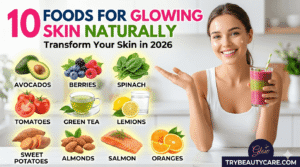
If you’re searching for foods for glowing skin naturally, focusing on nutrient-rich whole foods is a smart place to start.
Foods like avocados, fatty fish, berries, leafy greens, nuts, seeds, and water-rich fruits provide valuable nutrients that help support healthy skin from within.
While there is no magic food for perfect skin, a balanced diet combined with healthy lifestyle habits may help your skin look brighter, healthier, and more vibrant throughout 2026.
Consistency matters far more than quick fixes. Small daily choices often create the biggest long-term results.

2 thoughts on “Foods for Glowing Skin Naturally: 10 Foods That May Transform Your Skin in 2026”