
Introduction
Hair Care Products for Natural Hair: Natural hair is beautiful, versatile, and unique. However, caring for natural hair often requires a different approach than caring for straight or chemically treated hair.
Many people struggle with common concerns such as:
- Dryness
- Frizz
- Breakage
- Tangles
- Lack of moisture
- Shrinkage
- Scalp discomfort
The good news is that choosing the right hair care products for natural hair can make a significant difference.
In 2026, the natural hair industry continues to grow rapidly. Brands are developing products specifically designed to support curls, coils, waves, and textured hair without relying on harsh ingredients.
However, with thousands of products available, finding the right ones can feel overwhelming.
This guide explores expert-recommended product categories, ingredients to look for, common mistakes to avoid, and 11 hair care products that continue to stand out in 2026.
Understanding Natural Hair
Before discussing products, it’s important to understand what makes natural hair unique.
Natural hair often has:
- More texture
- More curl patterns
- Higher moisture needs
- Greater vulnerability to breakage
Because natural hair strands bend and curve, natural oils produced by the scalp may have difficulty traveling down the entire hair shaft.
As a result, many people with natural hair experience dryness more frequently than those with straighter hair types.
This is why moisture-focused products are often a priority.
Why Product Choice Matters
Not every hair product works well for natural hair.
Some products may contain ingredients that:
- Cause excessive dryness
- Create buildup
- Weigh hair down
- Reduce definition
- Increase frizz
Choosing products formulated for textured hair can help support:
- Moisture retention
- Curl definition
- Manageability
- Hair strength
- Overall hair appearance
What to Look for in Hair Care Products for Natural Hair
Choosing the right hair care products for natural hair can make a significant difference in how your hair looks, feels, and responds to daily styling. With so many products on the market, understanding which ingredients support healthy hair can help you make smarter purchasing decisions.
Natural hair often needs a combination of hydration, strength, and gentle cleansing. Products that focus on these three areas are usually the foundation of an effective hair care routine.
Moisturizing Ingredients
Moisture is one of the most important needs of natural hair. Because curls and coils make it harder for natural scalp oils to travel down the hair shaft, textured hair may become dry more quickly than straight hair.
This is why many hair care products for natural hair contain ingredients that help attract and retain moisture.
Aloe Vera
Aloe vera is one of the most popular ingredients in modern hair care. It contains water-rich compounds that help support hydration while leaving hair feeling lightweight.
Many people use aloe vera-based products because they can help:
- Improve softness
- Reduce dryness
- Support scalp comfort
- Enhance manageability
Its lightweight nature makes it suitable for many hair types.
Glycerin
Glycerin is a humectant, meaning it helps attract moisture from the surrounding environment.
Hair products containing glycerin are commonly used to:
- Improve hydration
- Enhance softness
- Reduce roughness
- Support moisture retention
Because of these benefits, glycerin frequently appears in leave-in conditioners and moisturizing sprays.
Shea Butter
Shea butter has been a staple ingredient in natural hair care for many years.
Extracted from the nuts of the shea tree, it is commonly used in products designed to provide richer moisture.
Benefits may include:
- Improved softness
- Reduced dryness
- Better moisture retention
- Added smoothness
Many styling creams and deep conditioners contain shea butter because of its nourishing properties.

Coconut Oil
Coconut oil remains one of the most recognized ingredients in hair care.
It is often included in products designed to support:
- Hair softness
- Moisture retention
- Reduced protein loss
- Improved shine
While some people love coconut oil, others find it too heavy, which is why personal experimentation is important.
Argan Oil
Often called “liquid gold,” argan oil is widely used in premium and affordable hair care products alike.
Argan oil is commonly associated with:
- Smoother-looking hair
- Enhanced shine
- Frizz control
- Lightweight moisture
Because it absorbs relatively quickly, it works well for many natural hair routines.
Avocado Oil
Avocado oil has become increasingly popular in natural hair care products.
It contains beneficial fatty acids and is commonly used to support:
- Hair softness
- Moisture balance
- Manageability
- Overall hair appearance
Many deep conditioners and leave-in treatments now feature avocado oil as a key ingredient.
Strengthening Ingredients
Moisture alone is not enough for healthy-looking natural hair. Hair also needs strength to withstand daily styling, detangling, and environmental stress.
This is where strengthening ingredients become important.
Keratin
Keratin is a naturally occurring protein that forms part of the hair structure.
Keratin-infused products are commonly used to help support:
- Hair resilience
- Reduced breakage
- Smoother texture
- Improved appearance
Many strengthening masks and treatments contain keratin to help reinforce weakened strands.
Hydrolyzed Proteins
Hydrolyzed proteins are proteins broken down into smaller particles that can more easily interact with the hair shaft.
Common examples include:
- Hydrolyzed wheat protein
- Hydrolyzed silk protein
- Hydrolyzed soy protein
These ingredients are often included in products designed to support stronger and healthier-looking hair.
Amino Acids
Amino acids are building blocks of proteins and are frequently found in advanced hair care formulations.
They are commonly used because they may help support:
- Hair strength
- Smoothness
- Moisture balance
- Overall hair condition
Many premium and affordable hair care products now feature amino acid complexes.
Rice Protein
Rice protein has gained popularity among people with natural hair due to its lightweight strengthening properties.
It is commonly used to help:
- Improve hair resilience
- Support volume
- Reduce the appearance of weakness
- Enhance manageability
Many curl-focused brands now include rice protein in their treatments and styling products.
Gentle Cleansing Agents
Cleansing is essential, but harsh shampoos can sometimes remove too much moisture from natural hair.
Many people with textured hair prefer gentler cleansing options that remove buildup while helping maintain hydration.
Sulfate-Free Shampoos
Sulfates are cleansing agents commonly found in shampoos.
While effective at removing dirt and oil, some sulfates can be overly drying for certain hair types.
Sulfate-free shampoos are often chosen because they may:
- Cleanse gently
- Preserve moisture
- Reduce dryness
- Improve comfort
They have become one of the most popular choices for natural hair care.
Moisturizing Cleansers
Moisturizing cleansers combine cleansing ingredients with conditioning agents.
Their goal is to clean the scalp without leaving hair feeling stripped.
Benefits often include:
- Softer hair after washing
- Improved moisture balance
- Reduced tangling
- Easier styling
Many natural hair enthusiasts use moisturizing cleansers as part of their regular wash-day routine.
Low-Poo Products
Low-poo products are gentle shampoos that provide a milder cleansing experience.
They are often preferred by individuals who:
- Wash frequently
- Have dry hair
- Want to minimize moisture loss
Low-poo formulas continue to grow in popularity as consumers seek gentler alternatives to traditional shampoos.
Ingredients to Avoid
Every person’s hair is unique, and there is no universal list of ingredients that everyone must avoid. However, many people with natural hair choose to be cautious about certain ingredients that may contribute to dryness or buildup.
Excessive Alcohols
Some alcohols can leave hair feeling dry when used in large amounts.
Checking ingredient lists can help identify products that may not align with your hair goals.
Harsh Sulfates
While not everyone avoids sulfates, some people with natural hair find that harsh sulfate-based cleansers leave their hair feeling excessively dry.
This is one reason sulfate-free products have become so popular.
Heavy Waxes
Heavy waxes can sometimes create buildup on the hair and scalp.
Excessive buildup may make hair feel weighed down and harder to manage.
Excessive Synthetic Fragrance
Fragrances make products smell pleasant, but some individuals prefer products with lower fragrance levels, especially if they have sensitive scalps.
Understanding Your Hair’s Unique Needs
The most important factor when choosing hair care products for natural hair is understanding your own hair.
Factors that influence product performance include:
- Curl pattern
- Hair density
- Porosity
- Scalp condition
- Styling habits
- Environmental conditions
A product that works perfectly for one person may not produce the same results for someone else.
The best approach is to focus on ingredients, pay attention to how your hair responds, and build a routine based on your individual needs rather than trends alone. Over time, this personalized approach often leads to healthier, more manageable, and more beautiful natural hair.
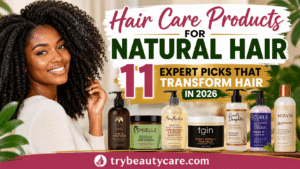
11 Expert Picks for Natural Hair Care in 2026
1. Sulfate-Free Moisturizing Shampoo
Every effective natural hair routine starts with proper cleansing. While many people focus heavily on conditioners and styling products, shampoo plays a crucial role in maintaining both scalp health and hair appearance.
Natural hair can easily accumulate dirt, sweat, excess oil, and styling product residue over time. If this buildup is not removed regularly, hair may begin to feel heavy, dull, and difficult to manage. However, using overly harsh shampoos can create a different problem by stripping away the moisture that natural hair needs to remain healthy and soft.
This is why sulfate-free moisturizing shampoos have become one of the most recommended hair care products for natural hair.
Unlike traditional shampoos that may contain stronger cleansing agents, sulfate-free formulas are designed to cleanse the scalp while helping maintain the hair’s natural moisture balance. They provide a gentler washing experience that many people with curls, coils, and textured hair find beneficial.
Why Sulfate-Free Shampoos Are Popular
Natural hair often requires extra moisture because scalp oils have a harder time traveling down curly and coily strands. When harsh cleansers remove too much oil, hair may become:
- Dry
- Frizzy
- Brittle
- Difficult to detangle
- More prone to breakage
Sulfate-free shampoos help reduce this issue by offering a milder cleansing approach.
What a Good Moisturizing Shampoo Should Do
A quality sulfate-free shampoo should help remove:
- Dirt and environmental debris
- Sweat from the scalp
- Excess oil buildup
- Styling product residue
- Daily impurities
while leaving the hair feeling clean, soft, and manageable.
Many modern formulas also contain nourishing ingredients such as:
- Aloe vera
- Coconut oil
- Argan oil
- Glycerin
- Shea butter
- Avocado oil
These ingredients help support hydration during the cleansing process.
Benefits of Sulfate-Free Moisturizing Shampoo
Gentle Cleansing
The primary advantage of sulfate-free formulas is their ability to clean hair without excessive stripping. This makes them especially suitable for people who struggle with dryness.
Better Moisture Retention
Maintaining moisture is one of the biggest goals of natural hair care. Sulfate-free shampoos help preserve hydration levels more effectively than many traditional shampoos.
Improved Softness
Hair that retains adequate moisture often feels softer and smoother after washing.
Reduced Dryness
Because they are less aggressive, these shampoos may help reduce the tight, dry feeling that some people experience immediately after washing their hair.
Easier Detangling
When hair remains hydrated, knots and tangles are often easier to manage, making wash day less stressful.
How Often Should You Use It?
The ideal washing frequency varies based on individual needs.
Factors that influence wash schedules include:
- Hair texture
- Lifestyle
- Physical activity level
- Product usage
- Scalp condition
Some people wash weekly, while others prefer every 7–14 days. The goal is to keep the scalp clean without over-cleansing the hair.
2. Hydrating Conditioner
If shampoo is the foundation of a healthy hair care routine, conditioner is the step that helps restore moisture and improve manageability after cleansing. For people with natural hair, a hydrating conditioner is often considered one of the most essential products in the entire routine.
Natural hair tends to lose moisture more quickly than straight hair because the natural oils produced by the scalp have a harder time traveling down curly and coily strands. As a result, conditioning becomes a key step in maintaining softness, flexibility, and overall hair health.
Skipping conditioner may leave hair feeling rough, dry, and more difficult to manage. This is why many hair care professionals recommend using a conditioner after every wash day.
Why Hydrating Conditioners Matter
Shampoo removes dirt, sweat, and buildup from the hair and scalp, but the cleansing process can also reduce some of the hair’s natural moisture.
A hydrating conditioner helps replenish moisture and smooth the hair cuticle, leaving strands feeling softer and easier to handle.
Many conditioners are formulated specifically to help support:
- Moisture retention
- Smoothness
- Detangling
- Hair softness
- Overall manageability
These benefits make conditioner a non-negotiable step for many people with natural hair.
Key Benefits of a Hydrating Conditioner
Improves Manageability
Natural hair can sometimes become difficult to style when it lacks moisture.
A good conditioner helps soften the hair and makes it easier to comb, style, and maintain.
This can reduce frustration and save time during wash day.
Reduces Tangles
Tangling is one of the most common challenges faced by people with curly and coily hair.
Conditioners provide “slip,” which allows hair strands to glide past each other more easily during detangling.
Less resistance often means:
- Easier combing
- Less pulling
- Reduced breakage
- More comfortable styling
Increases Softness
Hydration plays a major role in how soft hair feels.
A quality conditioner helps replenish moisture and improve the overall texture of the hair, making it feel smoother and healthier.
Many users notice an immediate difference in softness after conditioning.
Supports Hydration
Perhaps the biggest benefit of a hydrating conditioner is moisture support.
Ingredients commonly found in conditioning products include:
- Aloe vera
- Shea butter
- Glycerin
- Coconut oil
- Argan oil
- Avocado oil
These ingredients help maintain hydration and support healthier-looking hair.
What to Look for in a Hydrating Conditioner
When choosing a conditioner, consider products that focus on moisture and nourishment rather than temporary cosmetic effects.
Features often associated with quality conditioners include:
- Sulfate-free compatibility
- Moisturizing ingredients
- Lightweight or rich formulas based on hair needs
- Curl-friendly formulations
- Easy rinse-out texture
The best conditioner is often the one that matches your specific hair type and moisture requirements.
How to Use Conditioner Properly
For best results:
- Apply conditioner after shampooing.
- Focus primarily on the mid-lengths and ends.
- Use fingers or a wide-tooth comb to distribute evenly.
- Allow the product to sit for several minutes.
- Rinse thoroughly.
Many people also use the conditioning stage as an opportunity to gently detangle their hair.
Why Experts Recommend Never Skipping Conditioner
Natural hair thrives on moisture, and conditioner is one of the easiest ways to help maintain it consistently.
Regular conditioning can contribute to:
- Softer hair
- Better moisture retention
- Easier detangling
- Improved manageability
- Reduced dryness
For these reasons, a hydrating conditioner remains one of the most valuable and widely recommended hair care products for natural hair in 2026. Whether your hair is wavy, curly, or coily, this simple step can make a noticeable difference in the overall health and appearance of your hair over time.
3. Deep Conditioning Mask
Natural hair often benefits from regular deep conditioning treatments.
Deep conditioners typically provide more concentrated hydration than everyday conditioners.
Why It Matters
Deep conditioning may help support:
- Moisture balance
- Hair softness
- Improved elasticity
- Reduced dryness
Many people use deep treatments weekly.
4. Leave-In Conditioner
A leave-in conditioner provides ongoing moisture after washing.
Because natural hair can lose moisture throughout the day, leave-in products are often considered essential.
Benefits
- Additional hydration
- Easier detangling
- Improved curl definition
- Better manageability
5. Curl Cream
Curl cream remains one of the most popular styling products for natural hair in 2026. Whether you have loose curls, tight coils, or anything in between, a quality curl cream can help enhance your natural texture while providing the moisture and control needed for everyday styling.
Many people with natural hair struggle with concerns such as frizz, dryness, lack of curl definition, and difficulty maintaining styles throughout the day. Curl creams are specifically designed to address these challenges while helping curls look more defined, soft, and manageable.
Unlike some styling products that focus mainly on hold, curl creams typically combine styling support with moisturizing ingredients. This makes them a valuable addition to many natural hair routines.
Why Curl Creams Are So Popular
Natural hair often benefits from products that provide both hydration and styling support.
Curl creams help create a balance between:
- Moisture
- Definition
- Softness
- Control
This combination makes them one of the most versatile products available for textured hair.
Many people use curl cream as part of wash-and-go routines, twist-outs, braid-outs, and everyday styling.
Helps Define Natural Curl Patterns
One of the primary reasons people use curl cream is to enhance curl definition.
Natural curls can sometimes appear uneven or lose their shape due to dryness, weather conditions, or product buildup.
A quality curl cream helps:
- Enhance curl formation
- Improve curl consistency
- Highlight natural texture
- Create a more polished appearance
Many users notice that their curls appear more organized and defined after applying the product.
Reduces Frizz
Frizz is one of the most common concerns among people with natural hair.
Humidity, dryness, and daily manipulation can all contribute to unwanted frizz.
Curl creams often contain moisturizing ingredients that help smooth the hair cuticle and reduce the appearance of flyaways.
This can result in:
- Smoother-looking curls
- Better style longevity
- Improved overall appearance
While no product can completely eliminate frizz in every situation, curl creams are often used to help manage it effectively.
Improves Styling
Styling natural hair becomes easier when the hair is properly moisturized and manageable.
Curl creams provide a workable texture that helps with:
- Wash-and-go styles
- Twist-outs
- Braid-outs
- Finger coils
- Protective styling preparation
Many users appreciate the flexibility curl creams offer because they support styling without making the hair feel excessively stiff.
Supports Moisture Retention
Hydration is a constant priority for natural hair.
Many curl creams contain ingredients that help maintain moisture throughout the day, including:
- Shea butter
- Aloe vera
- Coconut oil
- Argan oil
- Avocado oil
- Glycerin
These ingredients work together to help support softness and reduce dryness.
Because moisture loss is a common challenge for textured hair, this benefit alone makes curl cream a valuable product for many routines.
Common Ingredients Found in Curl Creams
Modern curl creams often include a combination of nourishing oils and botanical extracts.
Popular ingredients include:
- Shea butter
- Mango butter
- Coconut oil
- Argan oil
- Aloe vera
- Flaxseed extract
- Jojoba oil
- Avocado oil
These ingredients are frequently chosen because they help support hydration and improve the appearance of curls.
How to Apply Curl Cream
For best results, many people apply curl cream to damp hair after washing and conditioning.
A basic application method includes:
- Divide hair into sections.
- Apply a small amount of product evenly.
- Work the cream through each section.
- Use fingers or a styling tool to define curls.
- Allow hair to air dry or use a diffuser if desired.
Using too much product can sometimes weigh hair down, so moderation is often recommended.
Why Curl Cream Deserves a Place in Your Routine
A curl cream is much more than a styling product. It helps support moisture, enhance natural texture, reduce frizz, and improve overall manageability.
For many people with natural hair, it serves as a daily essential that bridges the gap between hair care and styling. When combined with a healthy hair routine, a quality curl cream can help curls look more defined, feel softer, and remain manageable throughout the day.
This combination of hydration and styling support is exactly why curl creams continue to be among the most trusted hair care products for natural hair in 2026.
6. Lightweight Hair Oil
Hair oils have been a trusted part of natural hair care routines for generations. While oils do not directly add moisture to the hair, they play an important role in helping lock in hydration and protecting strands from becoming excessively dry.
Natural hair often loses moisture more quickly than straight hair because the scalp’s natural oils have difficulty traveling down curly and coily strands. This is why many people use lightweight oils as the final step in their moisture routine.
A quality hair oil can help seal moisture into the hair shaft, improve shine, and support overall hair manageability without leaving the hair feeling greasy or weighed down.
Why Hair Oils Matter
After applying water-based moisturizers, leave-in conditioners, or curl creams, moisture can gradually evaporate from the hair.
Hair oils help create a protective layer around the hair shaft that may help slow moisture loss.
This can contribute to:
- Softer hair
- Improved shine
- Better moisture retention
- Reduced dryness
- Enhanced manageability
For many people with natural hair, oils work best when used as part of a complete moisture routine rather than as a standalone treatment.
Popular Lightweight Oils for Natural Hair
Not all oils are created equal. Heavy oils can sometimes leave hair feeling greasy or contribute to product buildup, while lighter oils often provide similar benefits without weighing the hair down.
Argan Oil
Argan oil remains one of the most popular hair care oils worldwide.
It is commonly used because it is lightweight and may help support:
- Smoothness
- Shine
- Frizz control
- Softer-looking hair
Many premium and affordable hair products include argan oil as a key ingredient.
Jojoba Oil
Jojoba oil is unique because its composition closely resembles the natural oils produced by the scalp.
Benefits commonly associated with jojoba oil include:
- Lightweight hydration support
- Scalp comfort
- Improved softness
- Reduced greasy feeling
Many people appreciate how quickly it absorbs into the hair.
Grapeseed Oil
Grapeseed oil is one of the lightest oils available in hair care.
It is often chosen because it:
- Feels non-greasy
- Adds shine
- Supports moisture retention
- Works well for fine and medium hair textures
People who dislike heavy products frequently prefer grapeseed oil.
Avocado Oil
Avocado oil contains beneficial fatty acids and is commonly found in moisturizing hair products.
It is often used to help support:
- Hair softness
- Moisture retention
- Manageability
- Healthy-looking shine
Although slightly richer than some oils, it is still considered manageable for many natural hair routines.
Benefits of Lightweight Hair Oils
Helps Seal Moisture
One of the biggest advantages of using hair oil is helping maintain hydration after moisturizing products have been applied.
Adds Natural Shine
Healthy-looking shine is often a sign that hair is properly moisturized and cared for.
Lightweight oils can enhance shine without creating an overly greasy appearance.
Reduces Frizz
Dry hair is often more prone to frizz.
Applying a small amount of oil can help smooth the hair surface and improve overall appearance.
Improves Manageability
Hair that feels soft and lubricated is generally easier to style and detangle.
Avoiding Excessive Buildup
The key to successful oil use is moderation.
Many people make the mistake of applying large amounts of oil, believing that more product equals better results.
In reality, excessive oil can:
- Weigh hair down
- Attract dirt
- Cause buildup
- Make curls appear less defined
Using a small amount is often enough to achieve the desired benefits.
How to Use Hair Oil Correctly
For best results:
- Apply a moisturizer or leave-in conditioner first.
- Use a few drops of lightweight oil.
- Focus on the mid-lengths and ends.
- Avoid saturating the hair.
- Style as desired.
This approach helps maximize moisture retention while keeping hair feeling light and manageable.
Why Lightweight Oils Are Better for Many Natural Hair Routines
Modern hair care trends are shifting away from extremely heavy products and toward lightweight, versatile solutions.
Lightweight oils provide many of the benefits people want—shine, softness, moisture support, and frizz control—without the greasy residue that heavier products may leave behind.
For this reason, argan oil, jojoba oil, grapeseed oil, and avocado oil continue to be among the most recommended hair care products for natural hair in 2026. When used correctly, they can help maintain healthier-looking, softer, and more manageable hair while supporting a consistent natural hair care routine.
7. Protein Treatment
While moisture is extremely important for natural hair, strength matters just as much. This is where protein treatments become valuable.
Natural hair goes through daily stress from:
- Brushing
- Detangling
- Styling
- Weather changes
- Heat exposure
- Tight hairstyles
Over time, hair strands can become weaker and more vulnerable to breakage.
Protein treatments are commonly used to support hair structure and help maintain healthier-looking strands.
How Protein Treatments Work
Hair is primarily made of a protein called keratin.
When hair experiences damage, protein-based products may help temporarily reinforce weakened areas of the hair shaft.
Common protein ingredients include:
- Hydrolyzed keratin
- Silk protein
- Wheat protein
- Rice protein
- Amino acids
These ingredients are frequently found in strengthening masks and treatments.
Signs Your Hair May Need Protein
Some people choose protein treatments when their hair appears:
- Excessively stretchy
- Weak
- Prone to breakage
- Difficult to style
- Less defined
However, balance is important. Too much protein without enough moisture may leave hair feeling stiff.
Many natural hair enthusiasts alternate between moisturizing treatments and protein treatments to maintain balance.
8. Scalp Care Serum
Scalp care has become one of the biggest hair care trends in 2026.
For years, most people focused only on their hair strands. Today, experts increasingly emphasize the importance of scalp health.
After all, healthy hair begins at the scalp.
Benefits of Scalp Care Products
Scalp serums are commonly used to support:
- Scalp comfort
- Moisture balance
- Reduced dryness
- Cleaner-feeling roots
- Overall scalp health
Popular ingredients include:
- Tea tree oil
- Niacinamide
- Aloe vera
- Peppermint extract
- Hyaluronic acid
Why Scalp Health Matters
An unhealthy scalp may contribute to:
- Excessive dryness
- Itchiness
- Product buildup
- Poor hair appearance
Regular scalp care helps create a healthier environment for hair maintenance.
Many modern natural hair routines now include dedicated scalp treatments at least once or twice per week.
9. Detangling Spray
Detangling is one of the most challenging parts of many natural hair routines.
Improper detangling can lead to:
- Breakage
- Frizz
- Split ends
- Hair loss from tension
A quality detangling spray helps improve slip and makes the process easier.
What Makes a Good Detangler?
Many effective detanglers contain:
- Aloe vera
- Marshmallow root extract
- Glycerin
- Coconut water
- Lightweight conditioning agents
These ingredients help strands glide past each other more easily.
Benefits
- Easier combing
- Less pulling
- Reduced breakage
- Improved manageability
Detangling should always be approached gently.
Starting from the ends and gradually working upward is a commonly recommended method.
10. Protective Styling Cream
Protective styles remain a popular choice among people with natural hair.
Examples include:
- Braids
- Twists
- Buns
- Updos
- Flat twists
Protective styling creams are designed to support these hairstyles while helping maintain moisture.
Why Protective Styling Works
Protective styles may help reduce:
- Daily manipulation
- Friction
- Environmental exposure
This can make it easier to maintain hair health over time.
Features of Good Styling Creams
Many styling creams contain:
- Shea butter
- Castor oil
- Mango butter
- Coconut oil
- Botanical extracts
The goal is to provide hold and hydration without excessive buildup.

11. Overnight Hair Moisturizer
One of the simplest ways to support natural hair is overnight moisture care.
During sleep, friction from pillows and bedding may contribute to dryness and frizz.
Overnight moisturizers help maintain hydration while you rest.
Benefits
- Improved softness
- Better moisture retention
- Easier morning styling
- Reduced overnight dryness
Many products are designed specifically for nighttime use and contain nourishing ingredients that absorb gradually.
Combining an overnight moisturizer with a satin bonnet or silk pillowcase can further support moisture retention.
Why Expensive Hair Products Are Not Always Better
Many consumers assume higher prices automatically mean better results.
In reality, product performance depends on factors such as:
- Ingredients
- Formulation quality
- Compatibility with your hair type
- Consistency of use
Luxury brands often spend heavily on:
- Packaging
- Marketing campaigns
- Celebrity endorsements
- Brand positioning
Affordable products may contain many of the same beneficial ingredients found in premium alternatives.
This is one reason budget-friendly hair care continues to grow in popularity.
How to Choose Products Based on Your Hair Type
Natural hair is not identical for everyone.
Different curl patterns often have different needs.
Wavy Hair
People with wavy hair often prefer:
- Lightweight products
- Volumizing formulas
- Lightweight leave-ins
Heavy products may weigh waves down.
Curly Hair
Curly hair frequently benefits from:
- Curl creams
- Moisturizing conditioners
- Frizz-control products
Hydration is often a major focus.
Coily Hair
Coily hair commonly requires:
- Rich moisturizers
- Deep conditioners
- Protective styling products
Because coily hair may be more prone to dryness, moisture retention becomes especially important.
The Role of Protective Styles
Protective styles continue to play an important role in many natural hair routines.
Popular options include:
- Box braids
- Cornrows
- Twists
- Bantu knots
- Wigs
Benefits
Protective styles may help:
- Reduce manipulation
- Save styling time
- Protect hair from weather
- Support moisture retention
However, styles should not be excessively tight.
Excessive tension can place stress on the scalp and hairline.
Natural Hair Myths You Should Stop Believing
The internet contains countless hair care myths.
Let’s address some common misconceptions.
Myth 1: Natural Hair Does Not Grow
Natural hair absolutely grows.
Sometimes shrinkage makes growth less noticeable.
Myth 2: Oil Moisturizes Hair
Oil helps seal moisture but is not a substitute for hydration itself.
Water-based moisturizers remain important.
Myth 3: Expensive Products Always Work Better
Price does not guarantee performance.
Many affordable products perform exceptionally well.
Myth 4: You Need Dozens of Products
A simple routine often works just as effectively as a complicated one.
Consistency is more important than having an overflowing product shelf.
Myth 5: Hair Must Be Washed Every Day
Many natural hair routines involve less frequent washing to help preserve moisture.
The ideal schedule varies from person to person.
Seasonal Hair Care Tips
Natural hair needs may change throughout the year.
Summer Hair Care
During warmer months:
- Increase hydration
- Protect hair from UV exposure
- Avoid excessive dryness from chlorine
Winter Hair Care
During colder months:
- Deep condition regularly
- Use richer moisturizers
- Protect hair from dry indoor air
Adapting your routine to seasonal conditions can improve overall hair health.
Why Natural Hair Needs Moisture
One of the most important concepts in natural hair care is moisture retention.
Unlike straight hair, textured hair often struggles to distribute natural scalp oils evenly.
This makes hydration a long-term priority.
Without adequate moisture, hair may become:
- Brittle
- Frizzy
- Difficult to manage
- More prone to breakage
Products that support moisture are often the foundation of healthy natural hair routines.
Common Mistakes People Make
Many people unknowingly damage their hair through everyday habits.
Overwashing
Washing too frequently may remove natural oils.
Excessive Heat
Frequent heat styling can affect hair condition over time.
Ignoring the Scalp
Healthy hair starts with a healthy scalp.
Product Overload
Using too many products at once can create buildup.
Inconsistent Care
Consistency often matters more than expensive products.
Building a Simple Natural Hair Routine
A basic routine may include:
Wash Day
- Sulfate-free shampoo
- Conditioner
- Deep conditioner
- Leave-in conditioner
Daily Maintenance
- Moisturizing spray
- Lightweight oil
- Protective styling as needed
Simple routines are often easier to maintain long term.
Why Natural Hair Care Is Evolving in 2026
The industry is moving toward:
- Cleaner formulations
- Ingredient transparency
- Scalp-focused products
- Lightweight hydration
- Personalized hair care
Consumers are becoming more educated and ingredient-aware than ever before.
As a result, brands are focusing on products that deliver real value rather than relying solely on marketing claims.
1 thought on “Hair Care Products for Natural Hair: 11 Expert Picks That Transform Hair in 2026”