Introduction
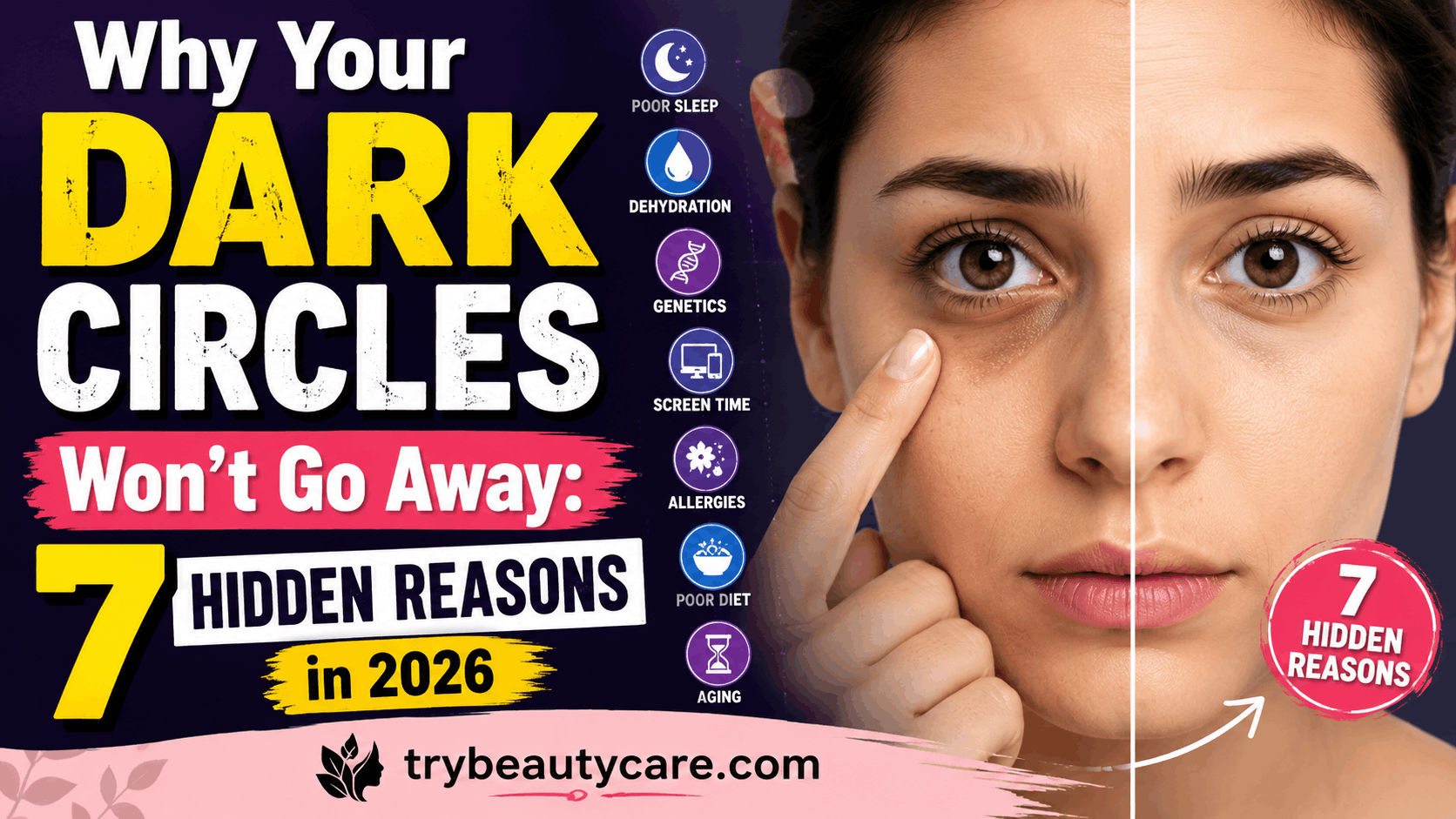
Why Your Dark Circles Won’t Go Away: Dark circles have become one of the most common skincare concerns in 2026. Many people spend money on eye creams, concealers, cooling patches, and expensive beauty treatments hoping to remove them completely. However, even after trying multiple products, the darkness under the eyes often stays the same.

This can feel frustrating because dark circles make the face look tired, stressed, older, or unhealthy even when you feel perfectly fine.
The truth is that dark circles are not caused by only one thing. While poor sleep is a major reason, many hidden lifestyle habits and health-related factors can also contribute to the problem. In modern life, long screen time, stress, dehydration, pollution, unhealthy eating habits, and poor skincare routines are making under-eye concerns more common than ever. Why Your Dark Circles Won’t Go Away
The good news is that understanding the real causes behind dark circles can help you make smarter skincare and lifestyle choices.
In this guide, you will learn: Why Your Dark Circles Won’t Go Away
- Why dark circles happen
- Hidden causes most people ignore
- Skincare habits that may worsen under-eye darkness
- Helpful ingredients for brighter-looking eyes
- Lifestyle changes that support healthier skin
- Practical routines for reducing tired-looking eyes naturally
Why the Under-Eye Area Is So Delicate
The skin under your eyes is much thinner compared to most other parts of your face. Because this area is delicate, even small problems become easier to notice.
This thin skin can make:
- Blood vessels appear more visible
- Puffiness look larger
- Dehydration appear faster
- Shadows become darker
- Fine lines appear earlier
The under-eye area also contains fewer oil glands. This means the skin there becomes dry more quickly than other areas of the face.
As people age, collagen production naturally slows down. Over time, the skin becomes thinner and less firm, which may make dark circles appear even more noticeable.
This is why under-eye care requires gentle and consistent attention.
1. Poor Sleep Habits Are Still a Major Cause
Poor sleep remains one of the biggest reasons dark circles continue to appear in people of all ages. Even with expensive skincare products, lack of proper rest can make the under-eye area look darker, puffier, and more tired.
Your skin naturally repairs itself during sleep. When sleep quality becomes inconsistent, the under-eye area is often one of the first places to show visible signs of fatigue.
How Poor Sleep Affects the Under-Eye Area
Lack of sleep may affect circulation and fluid balance around the eyes.
This can sometimes lead to:
- Puffiness
- Swelling
- Dull-looking skin
- More visible blood vessels
- Increased shadows under the eyes
When the skin looks tired, dark circles often become more noticeable.
Late-Night Habits Can Worsen Dark Circles
Modern lifestyles make healthy sleep routines more difficult.
Common habits that may affect sleep include:
- Late-night phone scrolling
- Watching screens before bed
- Stress and anxiety
- Irregular sleep schedules
- Excess caffeine late in the day
These habits may reduce sleep quality even when people spend enough hours in bed.
Why Tired Skin Looks Duller
During sleep, the body supports natural repair and recovery processes.
Poor sleep may contribute to:
- Dull complexion
- Dryness
- Increased puffiness
- Tired facial appearance
When the skin becomes dull and dehydrated, under-eye darkness often stands out more clearly.
Sleep Position Can Also Matter
Some sleeping positions may increase temporary puffiness around the eyes.
For example, sleeping flat without enough head elevation may allow fluid to collect around the under-eye area overnight.
Some people notice less morning puffiness when sleeping with the head slightly elevated.
Simple Habits That May Improve Sleep Quality
Healthy sleep habits can support healthier-looking skin over time.
Helpful routines include:
- Going to bed at consistent times
- Reducing screen exposure before sleep
- Keeping the room cool and dark
- Avoiding heavy meals late at night
- Managing stress levels
- Limiting caffeine before bedtime
Even small improvements in sleep quality may help the under-eye area appear fresher.
Skincare Cannot Fully Replace Rest
Many people try to fix tired-looking eyes using only skincare products, but proper sleep remains one of the most important foundations for healthy-looking skin.
Eye creams may help support hydration and smoothness, but consistent rest often has a bigger long-term impact on overall skin appearance.
Healthy Sleep Supports Overall Skin Health
Better sleep habits may help support:
- Brighter-looking skin
- Reduced puffiness
- Healthier skin barrier function
- Improved hydration balance
- Fresher under-eye appearance
Consistent sleep routines combined with hydration, sunscreen, and gentle skincare often provide the best long-term support for healthier-looking eyes.
2. Dehydration Can Make Your Eyes Look More Hollow
Dehydration is one of the most common but overlooked reasons why dark circles and tired-looking eyes become more noticeable. Even mild dehydration may affect how fresh and healthy your skin appears.
The under-eye area is naturally thin and delicate, which means it often shows signs of dehydration faster than other parts of the face.
How Dehydration Affects the Under-Eye Area
When the body lacks enough water, the skin may lose some of its natural fullness and elasticity.
This can make the under-eye area appear:
- More hollow
- Drier
- Duller
- More shadowed
- Tired-looking
Dehydration may also make fine lines and puffiness appear more visible.
Why Hollow Eyes Create Darker Shadows
When skin loses hydration, the under-eye area may appear slightly sunken. This can create deeper shadows beneath the eyes, making dark circles look worse even if pigmentation has not actually increased.
In many cases, the darkness people notice is partly caused by shadows and dryness rather than true discoloration.
Daily Habits That May Contribute to Dehydration
Several common habits may reduce hydration levels.
These include:
- Not drinking enough water
- Too much caffeine
- Excess alcohol intake
- Poor sleep
- Excessive heat exposure
- High-sodium diets
Busy lifestyles often cause people to forget proper hydration throughout the day.
Signs Your Skin May Need More Hydration
Dehydrated skin may show signs such as:
- Tightness
- Dry patches
- Dull appearance
- Increased fine lines
- Tired-looking eyes
Hydration supports smoother and healthier-looking skin overall.
How to Support Better Hydration
Simple daily habits may help improve overall skin hydration.
Helpful tips include:
- Drinking water regularly throughout the day
- Eating water-rich foods like fruits and vegetables
- Using hydrating skincare products
- Limiting excessive alcohol consumption
- Getting enough sleep
Consistency matters more than drinking large amounts of water occasionally.
Helpful Hydrating Ingredients
Some skincare ingredients commonly used for hydration include:
- Hyaluronic acid
- Glycerin
- Ceramides
- Squalane
- Aloe vera
These ingredients may help support moisture retention and smoother-looking skin.
Healthy Hydration Supports Healthier-Looking Skin
Hydration alone may not completely erase dark circles, especially if genetics or aging also play a role. However, proper hydration can help the under-eye area appear fresher, smoother, and less tired over time.
Small daily hydration habits often create noticeable improvements when practiced consistently.

3. Genetics May Be the Hidden Reason
Sometimes dark circles are not mainly caused by poor sleep or skincare mistakes. Genetics can also play a major role in how the under-eye area naturally looks.
Many people notice dark circles even when they: Why Your Dark Circles Won’t Go Away
- Sleep well
- Drink enough water
- Follow healthy skincare routines
- Maintain a healthy lifestyle
In these situations, genetics may be one of the biggest reasons behind persistent under-eye darkness.
How Genetics Affect Dark Circles
Genetics influence several natural skin characteristics, including:
- Skin thickness
- Pigmentation levels
- Bone structure
- Blood vessel visibility
- Fat distribution under the eyes
Some people naturally have thinner under-eye skin, which makes blood vessels more visible and creates darker shadows beneath the eyes.
Others may inherit higher pigmentation around the eye area from family members.
Family History Often Matters
If parents or close relatives also have noticeable dark circles, there is a higher chance genetics may contribute to your under-eye appearance.
Genetic dark circles often appear:
- Earlier in life
- Consistently over time
- Regardless of sleep quality
- Difficult to completely remove
This is why some people experience dark circles from a young age.
Facial Structure Can Create Shadows
Natural facial anatomy also affects how dark circles appear.
Deep-set eyes or hollow under-eye areas may create stronger shadows, especially under certain lighting conditions.
These shadows can make the eyes appear:
- More tired
- More sunken
- Darker underneath
Even healthy skin can sometimes appear shadowed because of natural facial structure. Why Your Dark Circles Won’t Go Away
Genetics Do Not Mean You Cannot Improve Appearance
Although genetics cannot be completely changed, healthy habits may still help improve the overall appearance of the under-eye area.
Helpful habits include:
- Staying hydrated
- Sleeping consistently
- Using sunscreen daily
- Managing allergies
- Following gentle skincare routines
These habits may help the skin appear healthier and more refreshed overall.
Helpful Ingredients for Genetic Dark Circles
Some skincare ingredients are commonly used to support brighter-looking under-eyes.
Popular options include:
- Caffeine
- Vitamin C
- Niacinamide
- Hyaluronic acid
- Peptides
These ingredients may help improve hydration, smoothness, and temporary puffiness appearance.
Focus on Healthy-Looking Skin, Not Perfection
Genetic dark circles are extremely common and completely normal.
Instead of chasing unrealistic perfection, focus on:
- Healthy skin habits
- Consistency
- Proper rest
- Gentle skincare
- Overall wellness
Healthier skin often looks naturally brighter and fresher, even when some natural under-eye darkness remains. Why Your Dark Circles Won’t Go Away
4. Too Much Screen Time Is Straining Your Eyes

5. Allergies and Eye Rubbing Can Make Dark Circles Worse
6. Your Diet May Be Affecting Your Skin
What you eat can strongly influence how your skin looks — including the appearance of dark circles. Even the best skincare products may not fully help if your body is lacking proper nutrition and hydration.
Your skin often reflects your internal health.
Lack of Hydration Can Make Eyes Look Tired
Dehydration may cause the under-eye area to appear:
- Dull
- Dry
- Hollow
- More shadowed
When your body does not get enough water, the skin may lose some of its natural plumpness and brightness.
Simple hydration habits like drinking water regularly throughout the day may help support healthier-looking skin. Why Your Dark Circles Won’t Go Away
Poor Nutrition May Affect Skin Appearance
Nutrient deficiencies can sometimes contribute to tired-looking eyes and dull skin.
A diet lacking important nutrients may affect:
- Skin repair
- Circulation
- Collagen support
- Overall skin health
Balanced meals are important for maintaining healthy-looking skin over time.

Foods That May Support Healthier Skin
Certain foods contain nutrients commonly associated with skin health.
Helpful options include:
- Leafy green vegetables
- Berries
- Citrus fruits
- Nuts and seeds
- Salmon and fatty fish
- Eggs
- Avocados
These foods provide antioxidants, healthy fats, vitamins, and minerals that support overall wellness.
Excess Sugar and Processed Foods
Highly processed foods and excessive sugar intake may sometimes contribute to inflammation and dull-looking skin.
Poor eating habits can also affect:
- Sleep quality
- Energy levels
- Hydration balance
All of these factors may indirectly make dark circles appear worse.
Iron Levels and Under-Eye Appearance
Low iron levels may sometimes contribute to pale or tired-looking skin, which can make under-eye darkness appear more noticeable.
Foods containing iron include:
- Spinach
- Lentils
- Beans
- Lean meats
- Eggs
If fatigue and dark circles are severe or persistent, some people choose to speak with a healthcare professional for guidance.
Caffeine and Alcohol Can Affect Hydration
Too much caffeine or alcohol may contribute to dehydration in some people.
This may lead to:
- Puffiness
- Dry skin
- Tired-looking eyes
Balance and moderation are usually more beneficial than extreme restriction.
Healthy Skin Starts From Within
Skincare products help support the outer layer of the skin, but internal health matters too.
Healthy habits such as:
- Drinking enough water
- Eating balanced meals
- Sleeping well
- Managing stress
often support brighter and healthier-looking skin naturally over time.
7. Aging Naturally Changes the Under-Eye Area
Aging is a completely natural part of life, and it gradually affects the appearance of the under-eye area over time. Many people notice that dark circles become more visible as they get older, even if they maintain healthy habits.
One major reason is the gradual loss of collagen and elastin. These proteins help keep the skin firm, smooth, and youthful-looking. As production slowly decreases with age, the skin under the eyes may become thinner and less elastic.
Because the under-eye skin is already delicate, these changes often become noticeable earlier compared to other parts of the face.
Common Age-Related Under-Eye Changes
As the skin changes naturally, you may notice:
- Fine lines and wrinkles
- Hollow-looking eyes
- More visible blood vessels
- Increased shadows under the eyes
- Puffiness or sagging skin
- Drier under-eye texture
These changes happen gradually over many years and are a normal part of the aging process.
Why Dark Circles Often Look Worse With Age
When the skin becomes thinner, the blood vessels beneath the surface may become more visible. This can create a darker or bluish appearance under the eyes.
At the same time, natural fat and volume around the eyes may slowly decrease. This can create hollow areas that produce deeper shadows, making dark circles appear more noticeable.
Sun exposure over time may also contribute to:
- Uneven pigmentation
- Collagen breakdown
- Premature aging signs
This is why daily sunscreen becomes increasingly important as you age.
Healthy Habits That Support Aging Skin
Although aging cannot be stopped completely, healthy habits may help support healthier-looking skin for longer.
Helpful habits include:
- Wearing sunscreen daily
- Staying hydrated
- Sleeping consistently
- Eating antioxidant-rich foods
- Avoiding smoking
- Managing stress levels
- Using gentle skincare products
Consistent skincare and healthy routines often help the skin appear smoother, fresher, and more balanced over time.
Skincare Ingredients Commonly Used for Aging Under-Eyes
Certain ingredients are popular for supporting mature-looking skin around the eyes.
These include:
- Peptides
- Hyaluronic acid
- Ceramides
- Vitamin C
- Retinol (used carefully)
- Niacinamide
These ingredients may help improve hydration, smoothness, and overall skin appearance when used consistently. Why Your Dark Circles Won’t Go Away
Aging Is Normal — Not a Flaw
Many people feel pressured to completely erase every sign of aging, but healthy skin matters more than perfect skin.
The goal should not be unrealistic perfection. Instead, focus on:
- Healthy habits
- Gentle skincare
- Consistency
- Long-term skin support
Healthy, well-cared-for skin often looks naturally brighter and more refreshed at every age.
Common Skincare Mistakes That Make Dark Circles Worse
Sometimes the products and habits meant to improve your skin may actually make dark circles look worse. The under-eye area is extremely delicate, so harsh treatment can easily lead to irritation, dryness, and increased pigmentation.
Simple and gentle skincare routines often work better long term.
Using Harsh Products
Strong skincare products are not always better for the under-eye area.
Overusing:
- Strong exfoliants
- High-strength acids
- Harsh scrubs
- Drying products
may damage the skin barrier and increase sensitivity.
When the under-eye skin becomes irritated or dry, dark circles and fine lines may appear even more noticeable.
Gentle hydration is usually more helpful than aggressive treatments.
Rubbing the Eyes Aggressively
Frequent eye rubbing is one of the most common habits that worsens dark circles.
Rubbing may:
- Irritate delicate skin
- Increase inflammation
- Make blood vessels more visible
- Cause pigmentation to appear darker
People with allergies or tired eyes often rub the area without realizing how much irritation it creates over time.
Instead of rubbing, use cold compresses or hydrating eye products to soothe the area gently.

Skipping Sunscreen
Many people forget that sun exposure affects the under-eye area too.
UV rays may contribute to:
- Increased pigmentation
- Premature aging
- Fine lines
- Skin thinning
Without sunscreen protection, dark circles may become more noticeable over time.
Using sunscreen daily and wearing sunglasses outdoors can help protect delicate skin around the eyes.
Using Too Many Products at Once
Layering too many skincare products may overwhelm sensitive under-eye skin.
Overcomplicated routines sometimes lead to:
- Redness
- Dryness
- Irritation
- Skin barrier damage
People often combine multiple active ingredients hoping for faster results, but this can backfire.
A simple routine with consistent use is often more effective than constantly switching products.
Applying Products Too Close to the Eyes
Applying strong skincare products directly near the lash line may cause irritation and watering.
Products like:
- Retinol
- Strong acids
- Exfoliants
should be used carefully around the eye area.
Always follow product instructions and avoid overapplying.
Ignoring Hydration
Dry under-eye skin can make shadows and fine lines appear more noticeable.
Skipping moisturizer or hydrating products may leave the skin looking dull and tired.
Hydration supports smoother and healthier-looking skin over time.
Expecting Instant Results
Many people stop using products too quickly because they expect overnight transformation.
Healthy skincare improvements usually require:
- Patience
- Consistency
- Daily habits
Long-term routines are often more beneficial than quick-fix trends.
Why Gentle Skincare Works Best
The under-eye area responds better to calm and supportive skincare rather than aggressive treatment.
Healthy habits such as:
- Hydration
- Sunscreen
- Better sleep
- Gentle cleansing
- Consistent routines
often create the best long-term improvements for brighter-looking eyes.
Best Ingredients for Dark Circles in 2026
Certain skincare ingredients are becoming increasingly popular for supporting brighter-looking and healthier under-eyes. While no ingredient creates instant transformation overnight, consistent use may gradually improve the appearance of dark circles, puffiness, and tired-looking skin. Why Your Dark Circles Won’t Go Away
Caffeine
Caffeine is commonly used in eye creams because it may help temporarily reduce puffiness and improve the appearance of tired eyes.
It works by helping tighten the look of the skin and reducing the appearance of swelling caused by fluid retention.
Caffeine products are especially popular for:
- Morning puffiness
- Tired-looking eyes
- Temporary under-eye swelling
Many people use caffeine-based eye products in the morning for a fresher appearance.
Vitamin C
Vitamin C remains one of the most popular skincare ingredients in 2026.
It is widely used because it may help:
- Brighten dull-looking skin
- Support more even skin tone
- Improve the appearance of dark spots
- Provide antioxidant protection
Vitamin C also helps protect the skin from environmental stress caused by pollution and UV exposure.
Consistent use may gradually help the under-eye area appear brighter and healthier.
Hyaluronic Acid
Hyaluronic acid is known for its strong hydrating abilities.
The under-eye area naturally becomes dry more easily because it contains fewer oil glands. Hydration helps the skin appear smoother and less tired.
Benefits may include:
- Improved moisture levels
- Smoother-looking skin
- Reduced dryness
- Healthier skin texture
Hydrated under-eyes often appear fresher and less dull.
Niacinamide
Niacinamide is a versatile skincare ingredient that supports overall skin health.
It may help:
- Improve uneven-looking skin tone
- Support the skin barrier
- Reduce dryness
- Calm irritated skin
- Improve texture appearance
Because the under-eye area is sensitive, niacinamide is often included in gentle skincare products.
Peptides
Peptides are commonly used in anti-aging skincare products.
They help support firmer-looking skin by supporting collagen-related skin functions.
Benefits may include:
- Smoother-looking under-eyes
- Improved firmness appearance
- Reduced appearance of fine lines
- Healthier-looking skin texture
Peptides are often combined with hydrating ingredients for better results.
Ceramides
Ceramides help support the skin barrier and reduce moisture loss.
Healthy skin barriers are important for preventing dryness and irritation around the eyes.
Ceramide-based products may help:
- Strengthen the skin barrier
- Improve softness
- Reduce dryness
- Support healthier-looking skin
They work especially well for dry or sensitive skin types.
Retinol (Used Carefully)
Retinol is commonly used for anti-aging concerns because it supports skin renewal.
Some people use gentle retinol eye products to help improve:
- Fine lines
- Skin texture
- Uneven tone
However, the under-eye area is delicate, so retinol should be used carefully and slowly to avoid irritation.
Always combine retinol with moisturizer and sunscreen.
Consistency Matters More Than Quick Fixes
Many people expect overnight results, but under-eye improvements usually take time.
Healthy habits combined with consistent skincare often create the best long-term improvements.
Focus on:
- Daily hydration
- Better sleep
- Gentle skincare
- Sunscreen use
- Stress management
Small habits repeated consistently are often more effective than constantly switching products.
Simple Morning Routine for Tired Eyes
A simple morning routine can help your eyes appear fresher, brighter, and less tired throughout the day. Small daily habits often create noticeable improvements over time.
Morning Steps for Brighter-Looking Eyes
1. Wash Your Face Gently
Use a mild cleanser to remove overnight oil, sweat, and buildup without irritating the skin.
Avoid extremely hot water because it may increase dryness and redness.
2. Apply a Hydrating Eye Cream
A lightweight eye cream may help reduce dryness and improve the appearance of tired-looking under-eyes.
Helpful ingredients include:
- Hyaluronic acid
- Caffeine
- Peptides
- Niacinamide
Gently tap the product using your ring finger instead of rubbing. Why Your Dark Circles Won’t Go Away

3. Use a Lightweight Moisturizer
Hydrated skin often looks healthier and smoother.
Choose a moisturizer suitable for your skin type:
- Gel formulas for oily skin
- Cream formulas for dry skin
4. Apply Sunscreen Daily
Sun exposure can worsen pigmentation and make dark circles appear more noticeable over time.
Use a broad-spectrum sunscreen with SPF 30 or higher every morning.
5. Drink Water After Waking Up
Hydration supports overall skin health and may help reduce dullness caused by dehydration.
Even one glass of water in the morning can help refresh your body after sleep.
Extra Tip: Try a Cold Compress
Cold compresses may temporarily reduce puffiness and help your eyes feel more awake.
You can use:
- Cold spoons
- Chilled eye masks
- A cool damp cloth
Apply gently for a few minutes in the morning for a refreshing effect.
Night Routine for Healthier-Looking Eyes
Your nighttime routine plays a major role in how your under-eyes look the next morning. During sleep, your skin naturally repairs itself, making nighttime the perfect opportunity to support healthier-looking eyes.
Remove Makeup Gently
Sleeping with makeup can irritate the delicate under-eye area and contribute to dryness or puffiness.
Use:
- Gentle micellar water
- Mild cleansing balm
- Soft cotton pads
Avoid rubbing aggressively because under-eye skin is very thin and sensitive.
Wash Your Face With a Gentle Cleanser
A mild cleanser helps remove:
- Dirt
- Oil
- Pollution
- Sweat buildup
Clean skin allows skincare products to absorb more effectively overnight.
Apply a Hydrating Eye Cream
Hydration can help the under-eye area appear smoother and fresher.
Look for ingredients like:
- Hyaluronic acid
- Caffeine
- Peptides
- Ceramides
- Niacinamide
Use a small amount and gently tap it into the skin using your ring finger.
Use a Moisturizer Before Bed
Moisturizers help support the skin barrier and prevent overnight dryness.
Healthy moisture levels may reduce the appearance of tired-looking skin over time.
Reduce Late-Night Screen Time
Phones and laptops late at night may contribute to:
- Poor sleep quality
- Eye strain
- Tired-looking eyes
Try reducing screen use at least 30–60 minutes before bedtime.
Sleep With Your Head Slightly Elevated
Using an extra pillow may help reduce fluid buildup around the eyes.
This can sometimes minimize morning puffiness.
Get Enough Sleep Consistently
Your skin repairs itself most effectively during proper sleep.
Aim for:
- 7–9 hours of sleep
- Consistent sleep schedules
- A calm sleeping environment
Consistency often matters more than occasional long sleep sessions.
Avoid Excess Salt Before Bed
Salty foods late at night may increase water retention and puffiness around the eyes the next morning.
Try choosing lighter evening meals when possible.
Stay Patient With Results
Healthy under-eye improvements usually happen gradually.
Consistent habits such as:
- Better sleep
- Hydration
- Gentle skincare
- Stress management
often create the best long-term results for brighter and healthier-looking eyes.
Lifestyle Habits That Support Brighter Eyes
Healthy-looking under-eyes are often connected to daily lifestyle habits. Small improvements in your routine can help your skin look fresher, brighter, and less tired over time.
Get Consistent Sleep
Sleep is one of the most important factors for healthy-looking skin.
Try to:
- Sleep 7–9 hours regularly
- Avoid late-night screen time
- Maintain a consistent bedtime schedule
Better sleep may help reduce puffiness and tired-looking eyes.
Stay Properly Hydrated
Dehydration can make the under-eye area appear dull and hollow.
Helpful habits include:
- Drinking water throughout the day
- Eating water-rich fruits
- Reducing excessive caffeine intake
Hydrated skin usually appears smoother and healthier.
Eat Nutrient-Rich Foods
Your skin reflects your overall health.
Foods rich in vitamins and antioxidants may support healthier-looking skin, including:
- Leafy greens
- Berries
- Citrus fruits
- Nuts
- Salmon
- Eggs
Balanced nutrition supports circulation and skin repair. Why Your Dark Circles Won’t Go Away
Reduce Stress Levels
Stress may affect sleep quality and overall skin appearance.
Simple stress-management habits include:
- Walking outdoors
- Meditation
- Exercise
- Listening to calming music
- Taking short breaks from screens
Lower stress levels often help the face appear more refreshed.
Wear Sunscreen Daily
UV exposure can worsen pigmentation and premature aging around the eyes.
Use sunscreen daily, even during cloudy weather. Sunglasses may also help protect delicate skin from sunlight.
Avoid Excessive Screen Time
Long hours on phones and computers may increase eye strain and fatigue.
Try to:
- Take regular breaks
- Blink more often
- Use proper lighting
- Avoid screens before bedtime
Reducing eye strain may help your eyes appear less tired.
Be Gentle With Your Skin
The under-eye area is delicate and should be treated carefully.
Avoid:
- Aggressive rubbing
- Harsh scrubs
- Strong exfoliants near the eyes
Gentle skincare habits help protect the skin barrier and reduce irritation over time.
Common Myths About Dark Circles
Many people believe dark circles are caused by only one problem. However, several myths continue spreading online and often create confusion. Understanding the truth can help you make smarter skincare choices and avoid unrealistic expectations.
Myth 1: Dark Circles Only Come From Lack of Sleep
Poor sleep can definitely make dark circles look worse, but it is not the only cause.
Other common causes include: Why Your Dark Circles Won’t Go Away
- Genetics
- Dehydration
- Stress
- Allergies
- Aging
- Excess screen time
Some people naturally have darker under-eye areas even when they sleep well regularly.
Myth 2: Expensive Eye Creams Always Work Better
Many expensive products use similar ingredients found in affordable skincare products.
The effectiveness of an eye cream often depends more on:
- Ingredients
- Consistency
- Skin type compatibility
rather than price alone.
Myth 3: Dark Circles Can Disappear Overnight
Many advertisements promise instant transformation, but real skincare improvements usually take time.
Healthy habits such as:
- Better sleep
- Daily hydration
- Sunscreen use
- Gentle skincare
often require several weeks before visible improvements appear.
Myth 4: Only Older People Get Dark Circles
Dark circles can affect people of all ages.
Teenagers and young adults may develop under-eye darkness because of:
- Late-night screen use
- Stress
- Poor sleep schedules
- Genetics
Age is only one possible factor.
Myth 5: Rubbing Your Eyes Is Harmless
Frequent rubbing may irritate delicate under-eye skin and make pigmentation appear worse over time.
People with allergies often rub their eyes more frequently, which can increase darkness and puffiness.
Gentle care is always better for sensitive under-eye skin.
Frequently Asked Questions
Why won’t my dark circles disappear?
Dark circles may be caused by multiple factors including genetics, poor sleep, dehydration, stress, allergies, and aging.
Can dehydration make dark circles worse?
Yes. Dehydration can make the under-eye area appear more hollow and dull.
Does screen time affect dark circles?
Extended screen exposure may increase eye strain and tired-looking eyes.
Are dark circles permanent?
Some causes improve with healthier habits, while genetic dark circles may remain longer.
Which ingredients help support brighter-looking under-eyes?
Vitamin C, caffeine, peptides, niacinamide, and hyaluronic acid are commonly used ingredients.
Final Thoughts
Dark circles are extremely common and usually develop because of multiple combined factors rather than one single problem.
Instead of searching for overnight fixes, focus on healthy long-term habits such as: Why Your Dark Circles Won’t Go Away
- Better sleep
- Proper hydration
- Gentle skincare
- Healthy eating
- Stress reduction
- Consistency
Healthy-looking eyes are not about perfection. They are about taking care of your body and skin regularly over time.
Small daily improvements often create the biggest visible changes in the long run.